
SPOILER WARNING: Drag Race Philippines season 3, episode 5
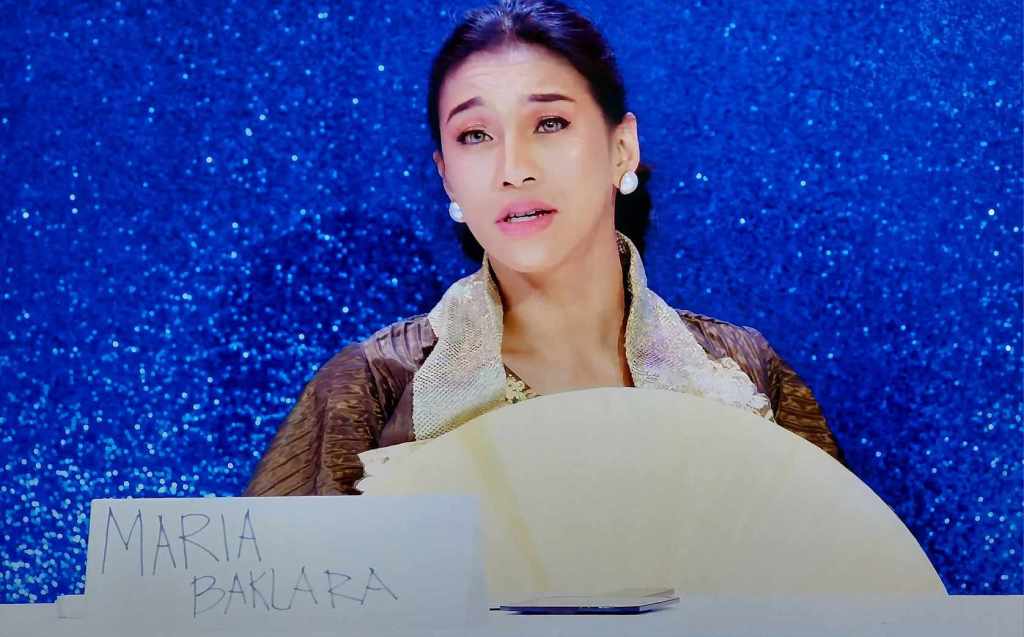
If you went to high school in the Philippines, chances are you were required to read Noli Me Tangere to graduate. Depending on how long ago you were in high school, you may or may not remember all the gory details. But fear not! Angel of Drag Race Philippines season three is here to remind you, and specifically to shine a spotlight on main character and cultural icon Maria Clara – or as her place card reads, Maria Baklara.
The Philippine arm of the franchise often referred to as the “Olympics of drag” has given a platform to a fabulous mix of homegrown talent. Season one runner-up Marina Summers made a splash on the latest Drag Race UK versus the World, followed by a multi-country tour and a handful of shows right here in the motherland. I will forever flex that I saw her up close and personal at Rampa bar and had a lovely chat with her and La Grande Dame.
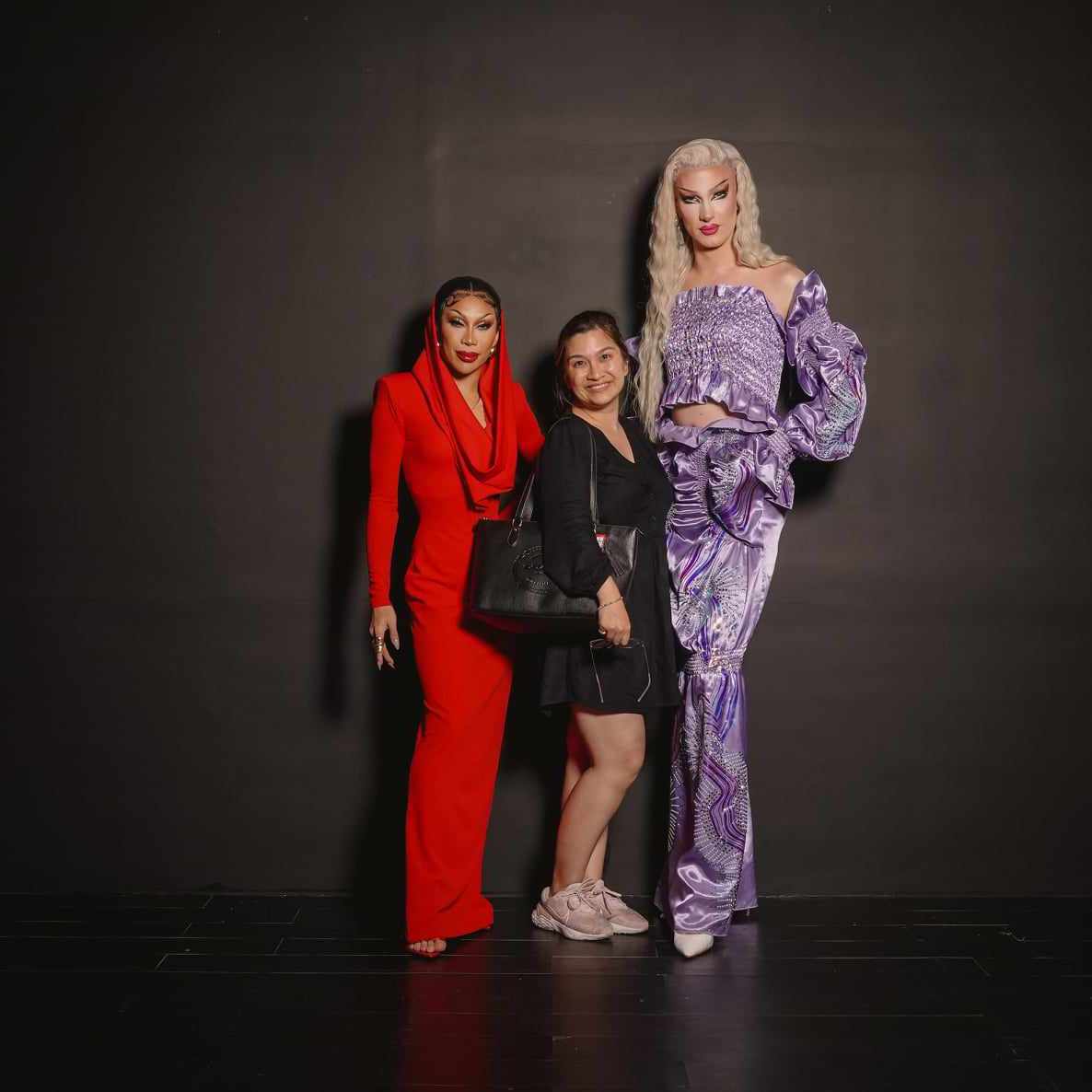


Also enjoying notoriety internationally is Eva Le Queen, another season one contestant who is now making waves in the premiere season of Drag Race Global All Stars. She’s up against the likes of Drag Race legend Alyssa Edwards, and so far, she’s holding her own with a top-two placement in the second episode. The current season of Drag Race Philippines features not one but two of her drag daughters, Myx Chanel and Khianna.
Myx, Khianna, Angel, and the bevy of hard-hitting queens have come to show that this is no ordinary season of Drag Race. The recently concluded Snatch Game episode is rated a whopping 9.9 out of 10 on IMDB – the highest score across all three seasons. After a hilarious performance and a breathtaking runway, the judges gave Angel her well-deserved win.
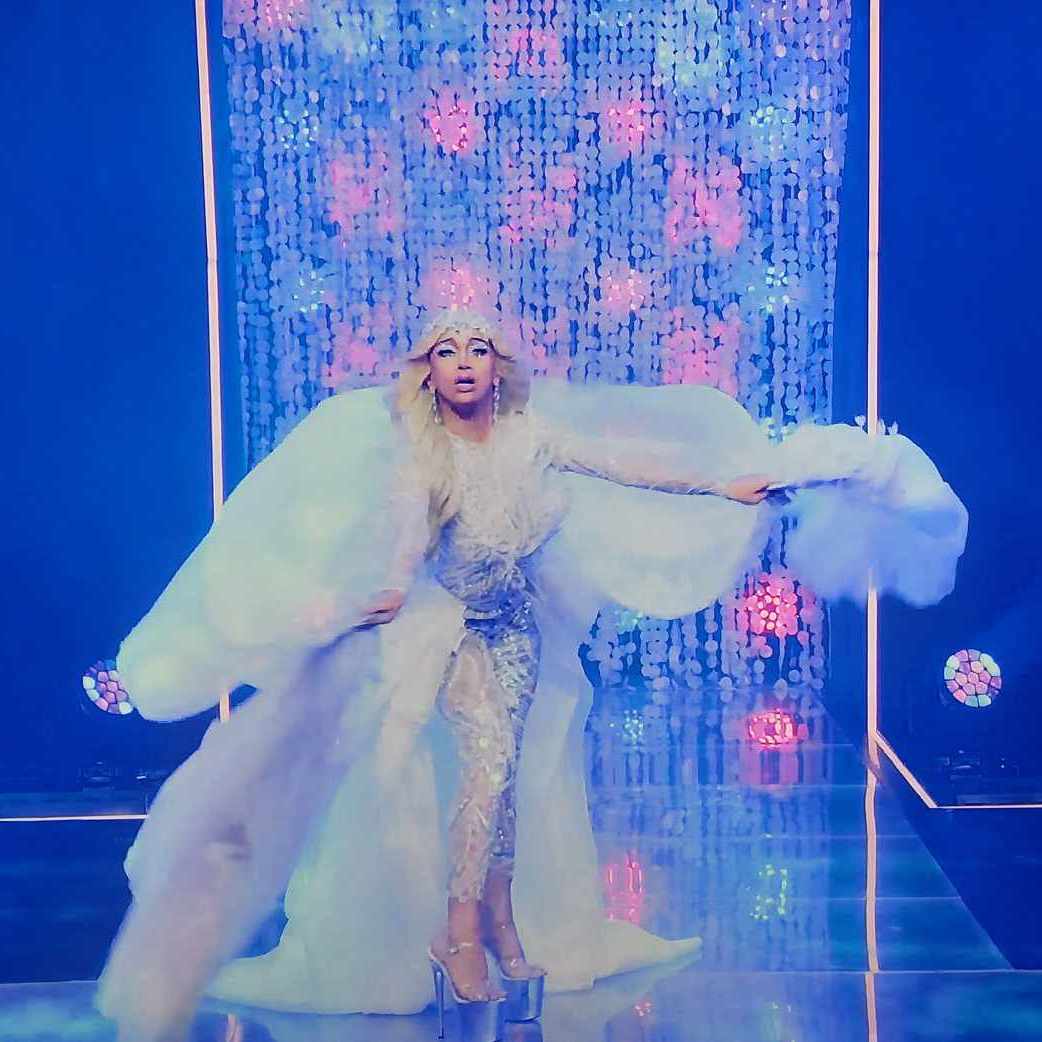
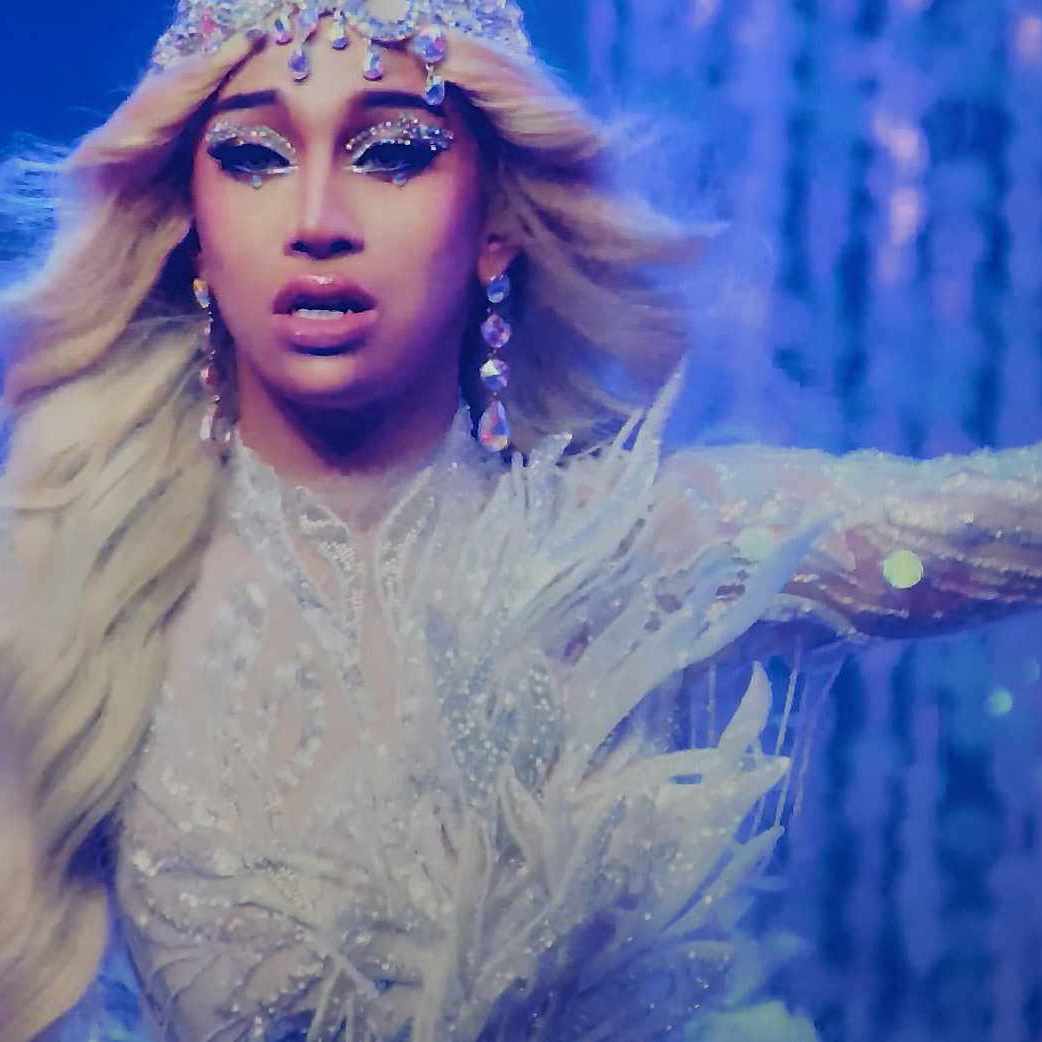
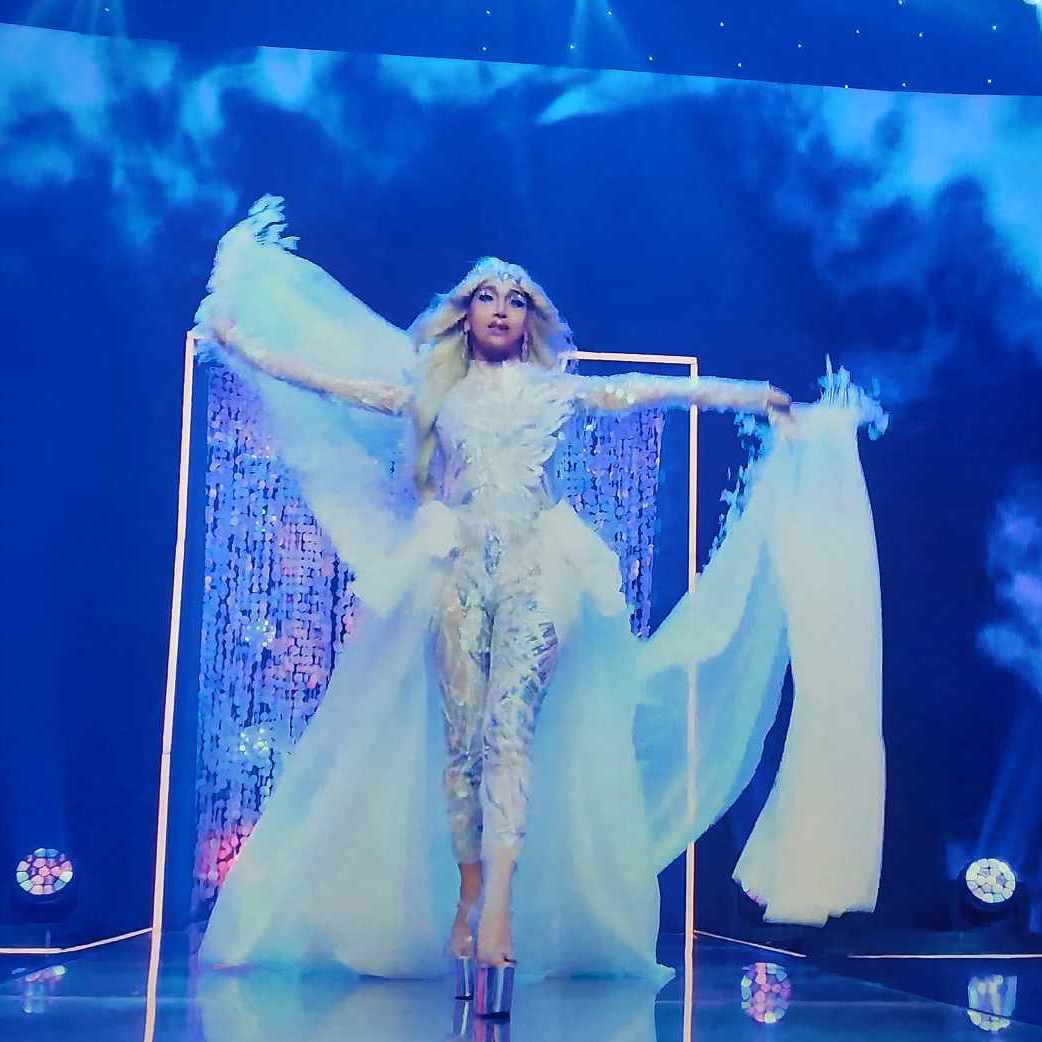
Angel’s Maria Clara starts out as the character is portrayed in Jose Rizal’s novel. She is demure and soft-spoken, the personification of “prim and proper”. And while some old-fashioned folks would tout this as the “ideal” Filipina, there is a dark history around how this idea came to be. The celebration of the quiet, submissive, chaste woman is a product of Spanish colonization, and specifically the spread of Catholicism in the Philippines.
One would hope that the religion would be used to inspire kindness, forgiveness, and generosity in the masses. But one would be wrong. In the three-decades-plus that the Spanish introduced and, for lack of a better term, imposed Catholicism on the Philippines, it was widely used as a means to control and restrict Filipinos. (This is not throwing shade at modern-day Catholics! Just referencing our complicated history with the faith.)
The notion that women should silently accept horrid circumstances with a smile has never benefited women. It has always been for the convenience of men, and especially of men in power. The expectation that women must remain virgins until they are married, and yet must also somehow know how to please their husband sexually on their wedding night, makes about as much sense.

In the Noli-El-Fili universe, women are at best put upon a pedestal, and at worst, outright objectified and violated. The Spanish friars in particular are portrayed as Peeping Toms, perverts, sexual predators, and fathers of illegitimate children – ironic considered that they preach of virtue and purity, and would have taken vows of chastity.
All that said, it’s shocking and exciting to see Maria Clara take a turn for the spicy when Angel, sick of the heat and humidity, strips off her garments to reveal bright red lingerie. After rebuffing advances from Baron Geisler, portrayed by Khianna, with a teasing “Huminahon ka!“, the tables turned. Suddenly, this Maria Clara was owning her sexuality and looking good doing it. In what is arguably the raunchiest Snatch Game across the franchise, we even see her (theatrically, not literally, of course) engaging in oral sex with Baron. She’s brazen about her attraction to guest judge Kyle Echarri. That applies to both Maria Clara and Angel herself. After she’s crowned the winner, we even get a cute moment with the two of them on the main stage.
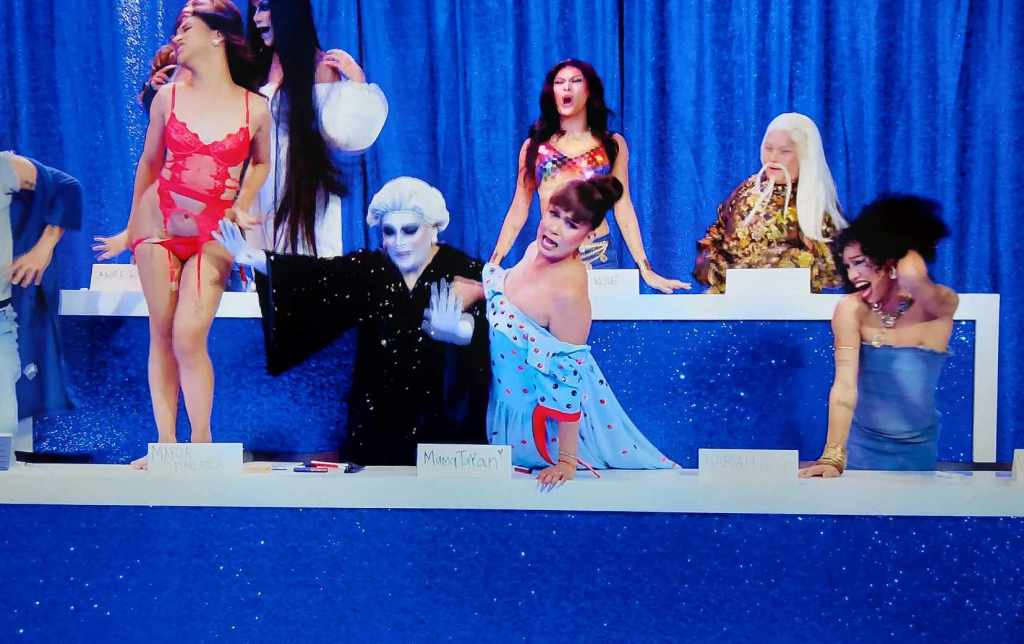
Why does this matter to us today? Naturally, because it’s entertaining. It’s an unexpected take on a well-known character. But it’s also an irreverent criticism of outdated gender roles. In the original story, most of her actions and decisions (or lack thereof) are influenced by the actions and decisions of men. If she had existed during the Spanish period, Maria Clara would have been excluded from all political conversations. If she were allowed to get an education, it would have been limited to homemaking, religion, and the most basic reading, writing, and math. If she pranced around in skimpy underwear, she would’ve been labelled a harlot or much worse.
The Augustinian missionary Fr. Casimiro Dias warned the priests based in the Philippines, “Woman is the most monstrous animal in the whole of nature, bad tempered and worse spoken. To have this animal in the house is asking for trouble…for wherever a woman is, it would seem impossible to have peace and quiet.” Angel’s take on Maria Clara is an animal that won’t be tamed. Her “peace and quiet” is not defined by gracefully accepting criticism and abuse. She’s kind of a hoe! And once upon a time, that was something to be ashamed of. But not today, Satan. Not today.
Need more Philippine pop culture and baklahan? Check out my post on Macoy Dubs’ Mean Girls parody, economic class, and beauty standards.
Sources
Aguja, Hilton J. THE FILIPINO WOMAN: A Gendered History
Tran Xuan Hiep, Tran Dinh Hung, Tran Hoang Long, Nguyen Tuan Binh, Tran Thai Bao. WOMEN EDUCATION IN THE COLONIAL CONTEXT: THE CASE OF THE PHILIPPINES
All screencaps property of World of Wonder / WOW Presents Plus
 'Ka ni Kim
Leave a comment