
Low-maintenance greenery can bring life to an indoor space. I crave it as a condo-dweller, and we all craved it when we were cooped up at home at the height of the pandemic. While those restrictions are now relaxed, or in most places, defunct, it’s still nice to have a touch of nature inside. An intimate hands-on workshop at the Baguio Museum introduced a fun way to bring the outdoors in with Green Worlds, Tiny Realms, led by Kiko Villalba.

What’s the appeal of having a terrarium? They’re fairly easy to keep alive as they require less care than most potted plants. They’re aesthetically pleasing – there’s something so satisfying about seeing a little ecosystem packed into a glass container, a microcosm of its wild counterparts. For me, a validation-starved millennial, it’s also being able to point at mine and say “Look, I made that” to every single visitor who graces our home.

Unlike a typical plant pot, a terrarium doesn’t have holes in the base, so it’s important to create a good drainage system at the bottom. Kiko recommends a layer of lava rocks. These also serve as a useful indicator for when the terrarium needs water, as they will visibly dry out over time. Before the soil went in, we put in some garden-grade charcoal chips (also called horticultural charcoal). Activated charcoal also helps with drainage, as well as purification.

Once the foundations were in place, we started putting down hardscape. This refers to any non-plant elements that give structure to the terrarium arrangement. We were provided with rocks and driftwood. You could also throw in shells, crystals, and other stones; just be careful not to overcrowd the terrarium.

There is a wide variety of plants that can thrive in a terrarium. However, not all of those plants are compatible to inhabit the same terrarium. A good rule of thumb is to keep together plants that like the same level of humidity. For example, we used a lot of fittonias, which grow well in a high-moisture environment. You wouldn’t put succulents or cacti in the same terrarium as fittonias because they need a dry environment to survive.
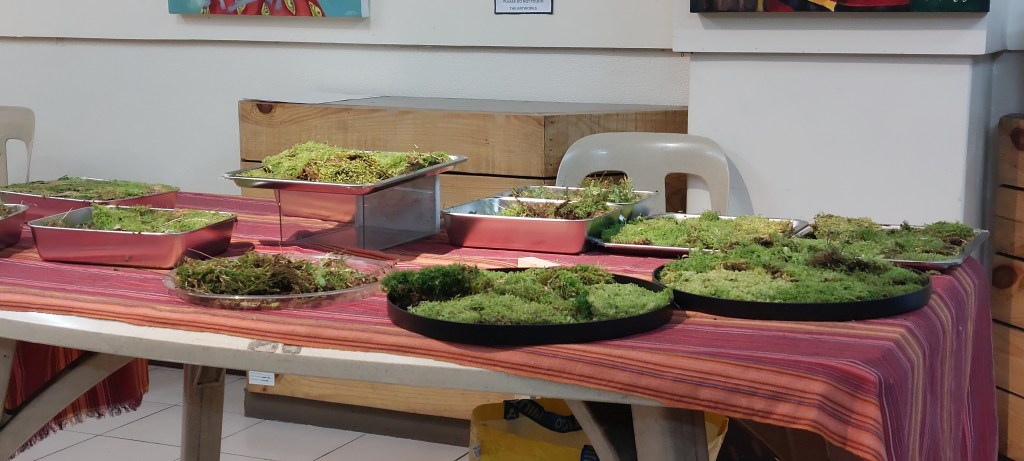
When we were happy with the amount of plants and their arrangement in the terrariums, we put down a layer of moss and tamped everything down into the dirt. We sprayed everything down until the water reached the bottom layer of lava rocks. Compared to potted plants, terrariums need much less frequent watering, but be sure to keep an eye on the rocks to know when it’s time to start spraying again.
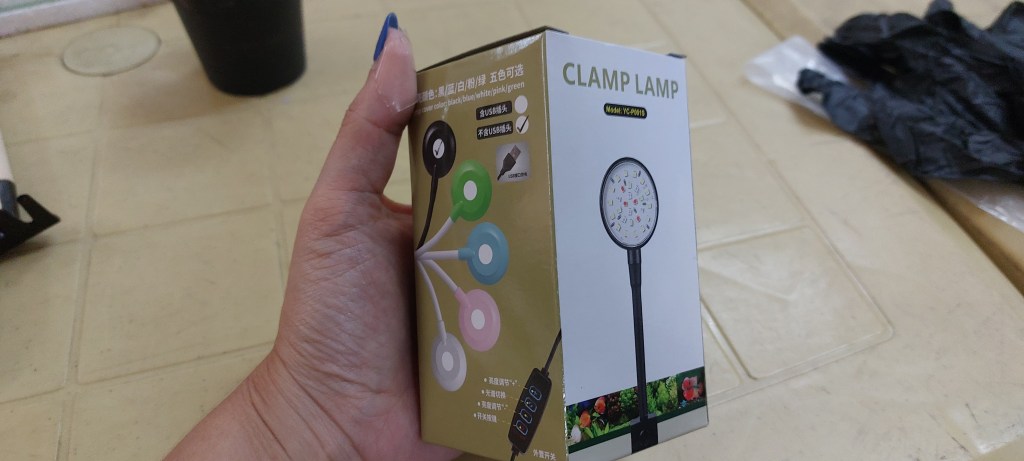
Depending on where your terrarium is going to live, you might need some artificial lighting to ensure that your plants are getting enough “sun”. We got USB-powered grow lights and Kiko advised having them on for at least six hours a day. If you have a well-lit window or an outdoor space for your terrarium, well – sunlight is free! Just be mindful of the risk of your plants burning from too much sun exposure.
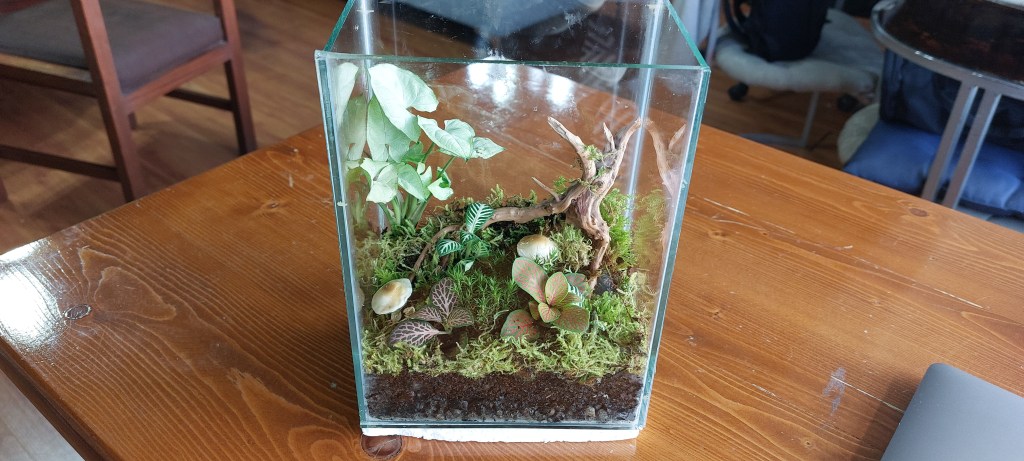
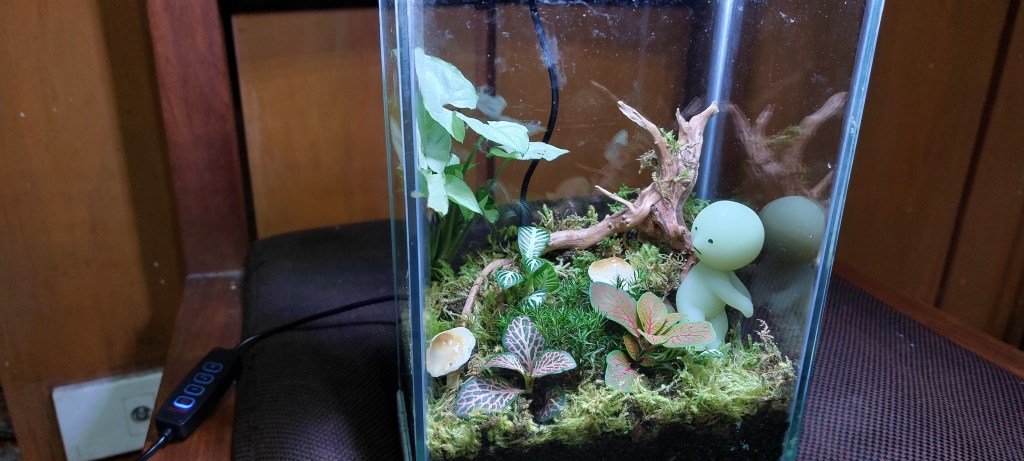
I’ve had my terrarium for a few weeks now and it’s thriving under the rays of my grow lamp. My Smiski hangs out in there and shows off his own glow for a few minutes after the lights go off for the day.
Follow Kiko on Facebook and Instagram for more updates, or to inquire about private group workships. Check out his landscaping work at 113 Wagner Cafe (Facebook and Instagram) and Man Apsol (Facebook and Instagram).
Also check out the Baguio Museum at the DOT-PTA Complex, Governor Pack Road, and find more information on their Facebook and Instagram.

 'Ka ni Kim
Leave a comment