
The seaside city of Kamakura is about an hour away from Tokyo. Once a major political center in medieval Japan (Fans of Shogun know what’s up!), today, it attracts local and foreign tourists alike.
Kamakura is home to a beautiful collection of temples. There are plenty of places to eat and shop that offer a breathtaking view of the sea. These are two of many reasons why it’s my absolute favorite day trip I’ve taken so far in Japan.
Sample Itinerary
| Time | Expenses | Agenda |
| 9:00am | ¥830 | Depart Tokyo Station (JR Yokosuka Line) for Kita-Kamakura Station. |
| 10:05am | ¥1,000 | Arrive at Kita-Kamakura Station and walk (10 minutes) to Meigetsu-in Temple. Explore the temple and Iris Garden! |
| 10:45am | ¥350 | Walk back to Kita-Kamakura Station. Get back on the Yokosuka Line and alight at the Kamakura Station. Walk (1 minute) to the Enoden Line. Get on and alight at the Hase Station. Walk (7 minutes) to Kotoku-in Temple. |
| 11:15am | ¥300 | Arrive at Kotoku-in Temple. Check out the Great Buddha. Maybe grab some souvenirs. |
| 11:55am | ¥200 | Walk back to Hase Station and get on the Enoden Line. Alight at Kamakura Station and walk (3 minutes) to Komachi-dori Street. |
| 12:10pm | ~¥1,500 | Arrive at Komachi-dori Street. Eat and shop to your heart’s content. |
| 1:00pm | ¥460 | Walk (1 minute) to the Kamakura Station. Get on the Enoden Line and alight at the Enoshima Station. Walk (3 minutes) to the Ryukoji bus stop and get on bus 6. Alight at Enoshima stop. Walk (4 minutes) to the Enoshima Escalators. |
| 1:50pm | ¥360 | Arrive at Enoshima Escalators, get your ticket, and start the journey up. |
| 1:55pm | ¥500 | Arrive at Samuel Cocking Garden. Explore the garden then go to the top of the Enoshima Sea Candle. |
| 2:35pm | ¥500 | Walk (15mins) to the Enoshima Iwaya Caves. Mind your step! Explore the two caves. |
| 3:15pm | ¥1,270 | Walk (17 minutes) to the Enoshima bus stop. Get on the F3 bus and alight at Fujisawa Station South Gate. Walk (3 minutes) to Fujisawa Station, get on the Tōkaidō Line, which turns into the Ueno-Tokyo Line. Alight at Tokyo Station. You’ll arrive around 5:00pm. |
| ~8 hrs | ~¥7,270 |
NOTE: Prices may change; conversion rates will certainly change. As of writing, JPY 7,270 is approximately PHP 2,889.
Meigetsuin Temple
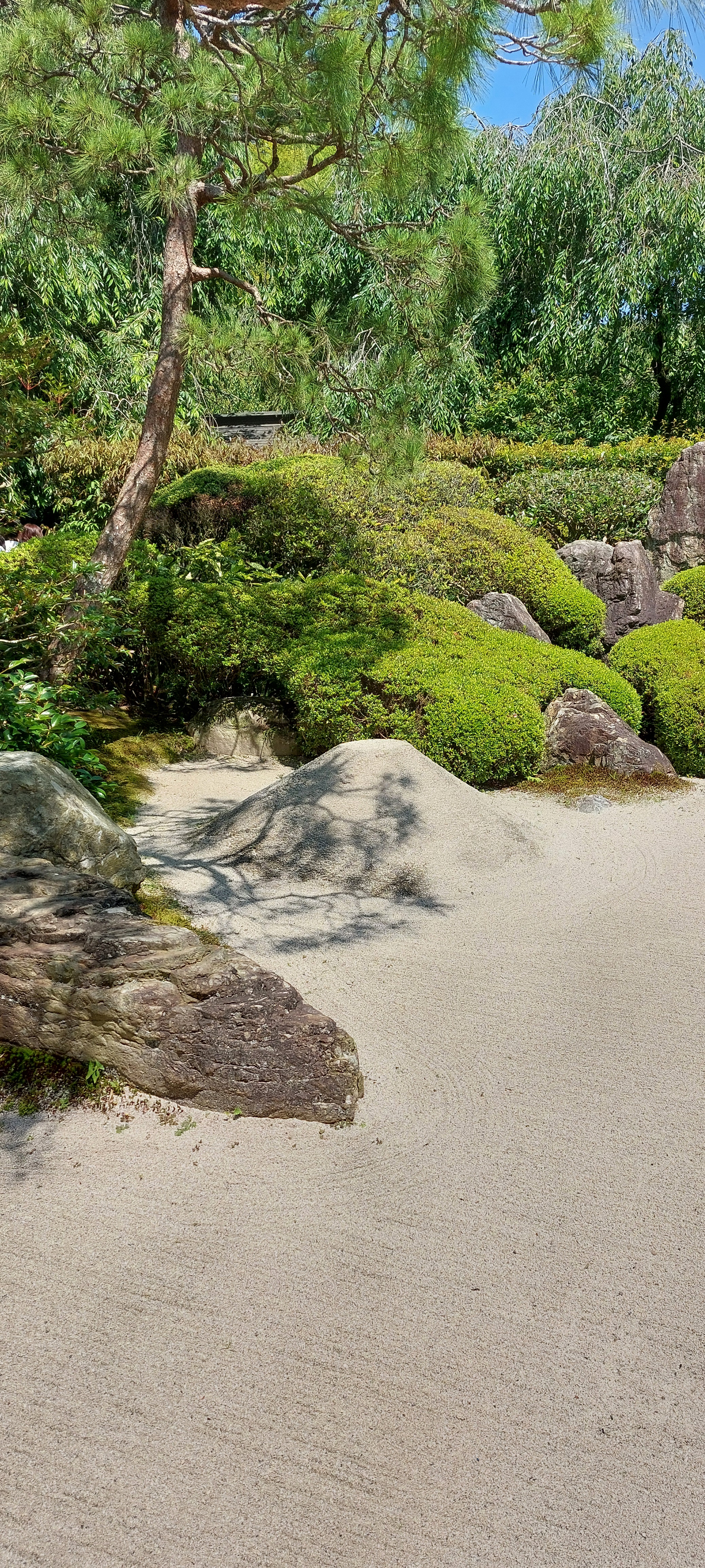
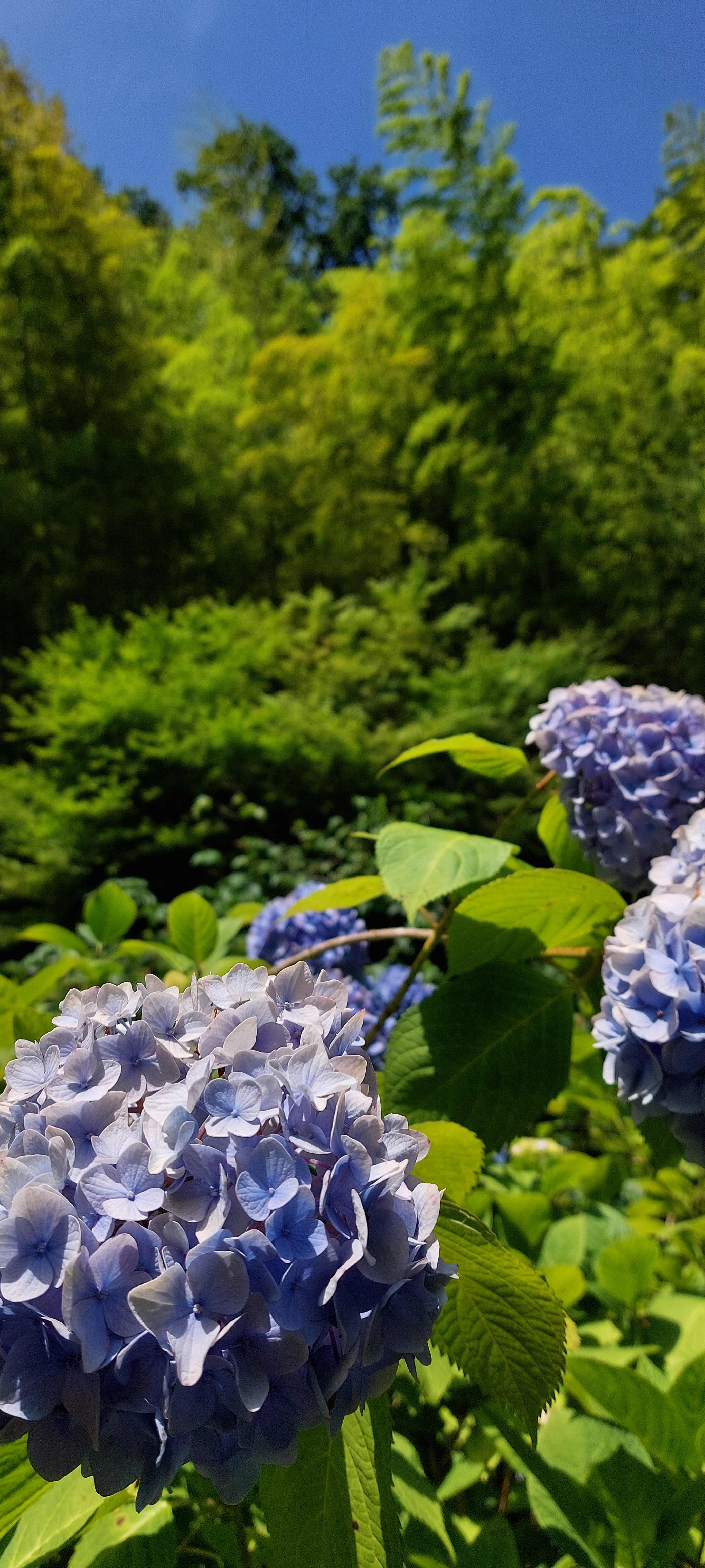
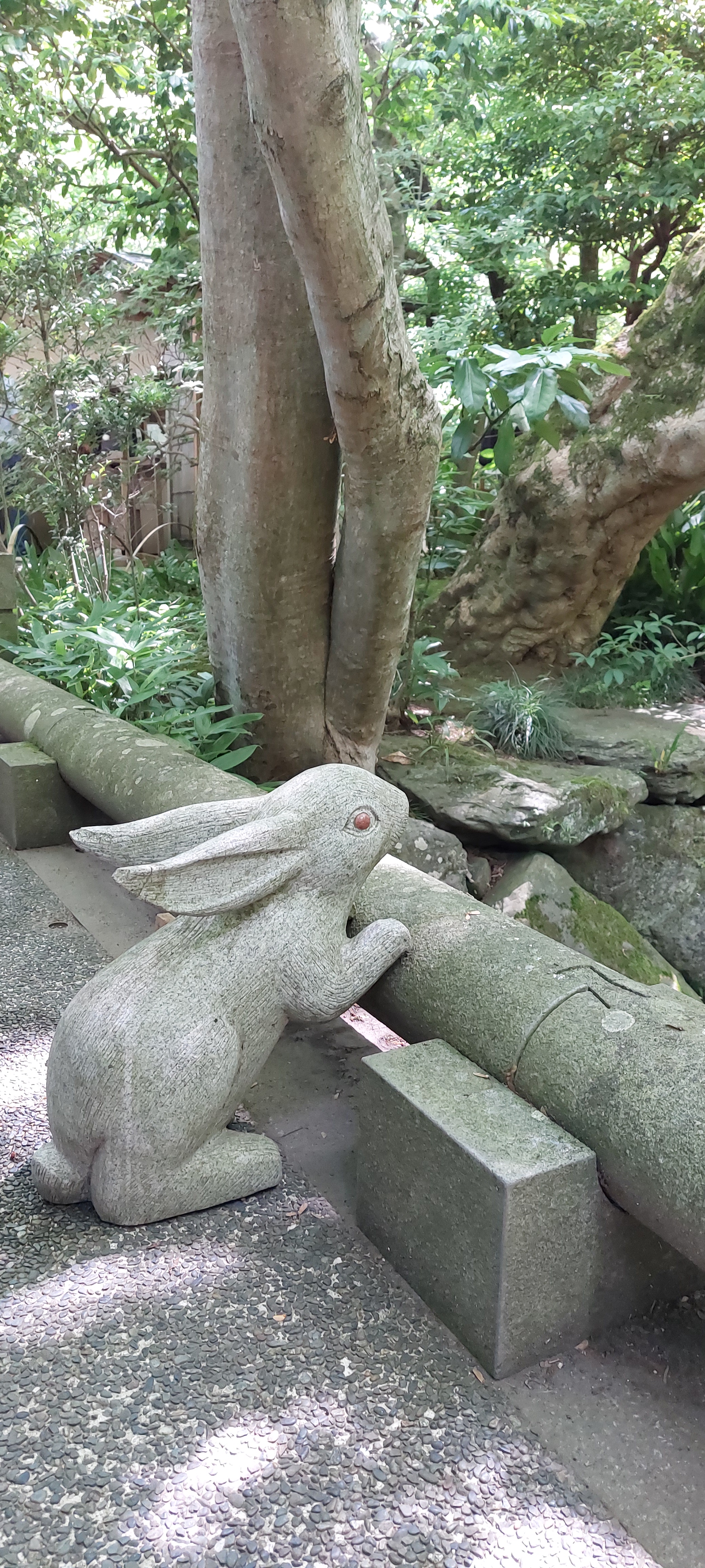
Meigetsuin Temple is also known as the hydrangea temple because – you guessed it – there are hydrangea flowers everywhere. If, like Madonna, you’re not a fan, you might prefer their Iris garden. But the biggest hit at this temple is the large, round, picturesque window. You can take your picture there at no extra cost. Just be prepared to stand in line for a bit, or a lot.
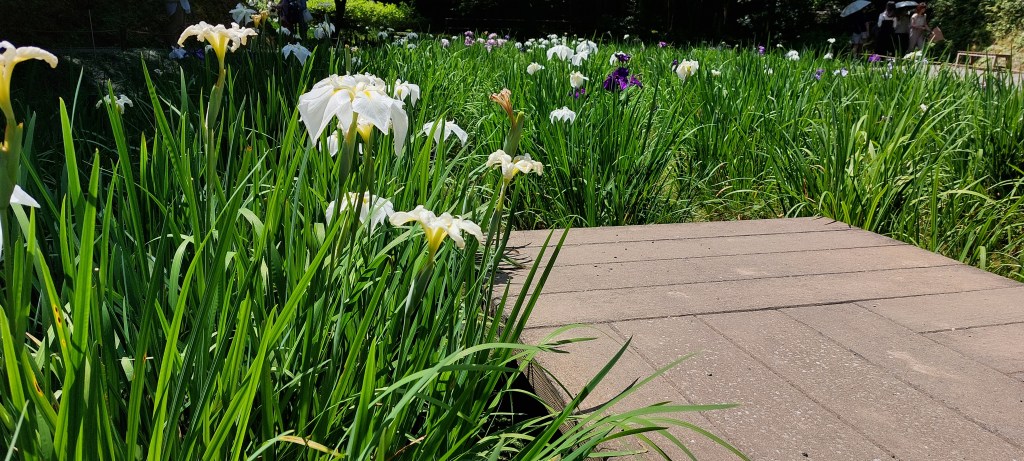
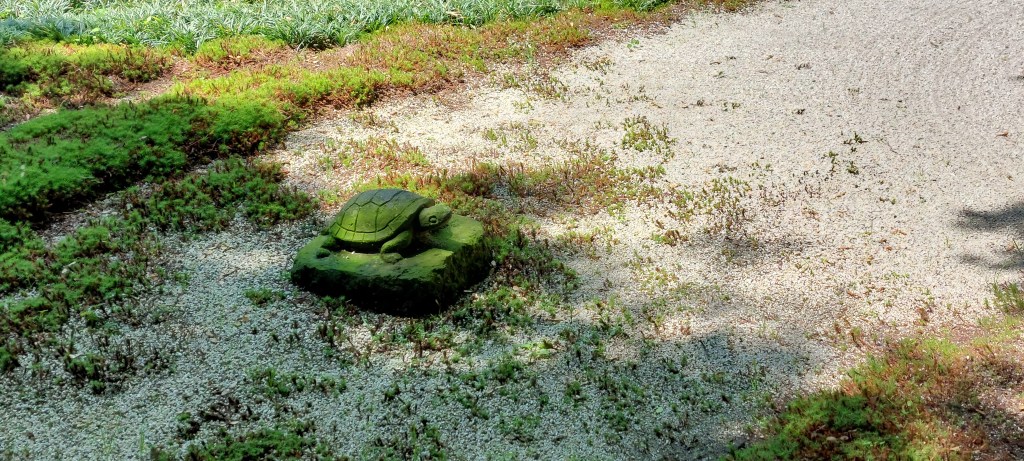
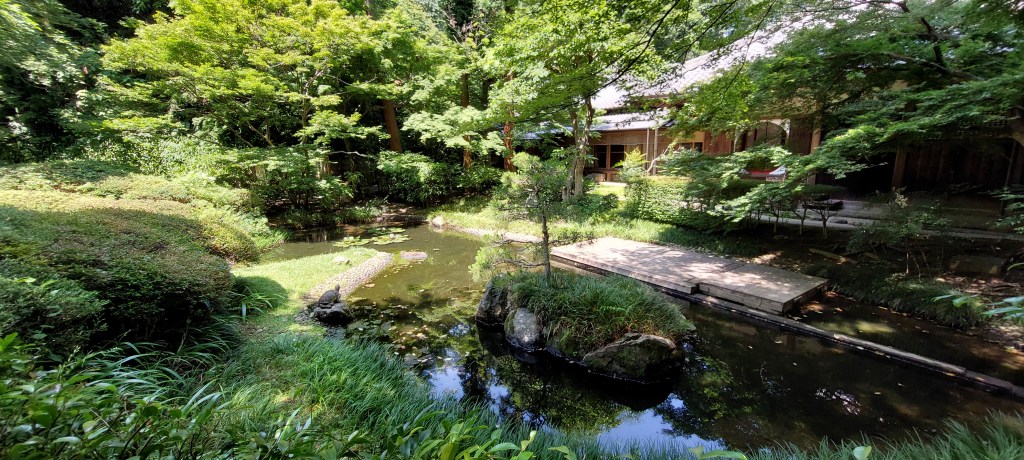
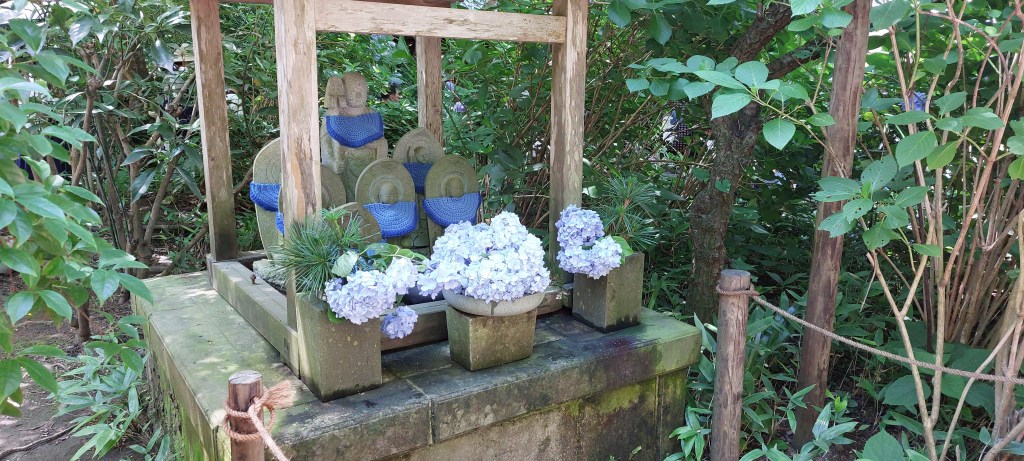
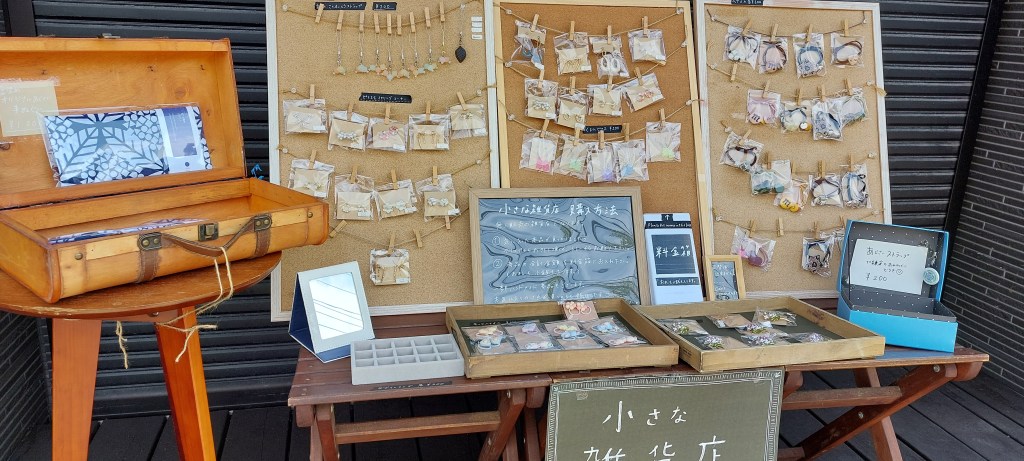
It’s a bit of a walk to and from the train station. You’ll pass by some residential areas. If you see an unmanned display outside one of the houses, check it out! Some locals sell little trinkets to make a bit of extra money. There should be a lock box where you can drop your payment for whatever goods catch your eye. If you’re lucky, you might even snag some handmade crafts.
The temple is located at 189 Yamanouchi, Kamakura-shi, Kanagawa-ken. It’s open from 8:30am to 5:00pm in June, and from 9:00am to 4:00pm the rest of the year. Come in June to see the flowers in full bloom! Entrance to the temple and the iris garden is JPY500 each.
Kotoku-in Temple

Every temple in Japan is special, but some of them are truly unique. The Kotoku-in Temple’s claim to fame is that it houses the second-tallest bronze Buddha in the country, the Kamakura Daibutsu or “Great Buddha of Kamakura”.
True to its name, the Buddha stands at 11.3 meters tall. It weighs a whopping 121 tons. The statue has a rich history, built over 750 years ago – long enough that the original artist hasn’t even been identified. It suffered some severe damage in a 1498 earthquake. Centuries later, local priests sought out funds to repair it and to build the nearby temple that still stands today.
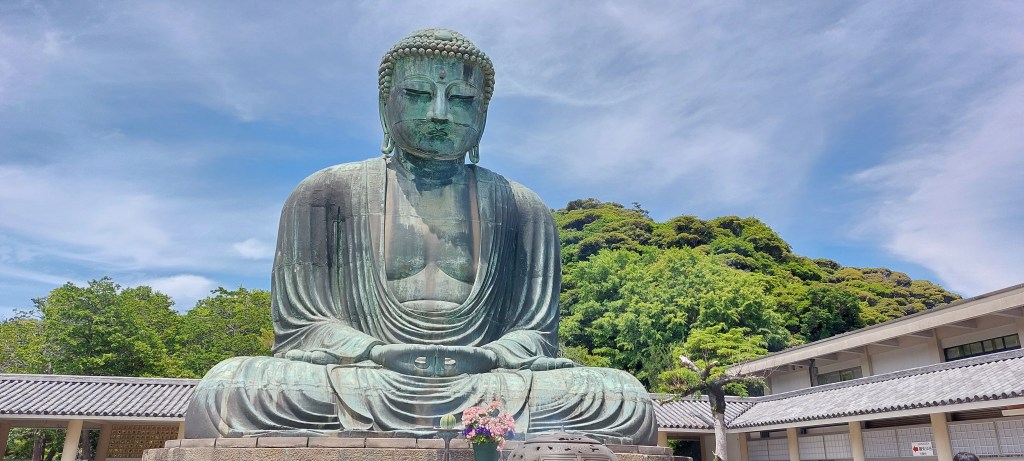
Kotoku-in Temple is located at 4-2-28 Hase, Kamakura-shi, Kanagawa-ken. It’s open from 8:00am to 5:30pm April through September, and 8:00am to 5:00pm October to March. Entrance to the temple is JPY300. To go inside the Buddha, it’s an additional JPY50.
Komachi-dori Street
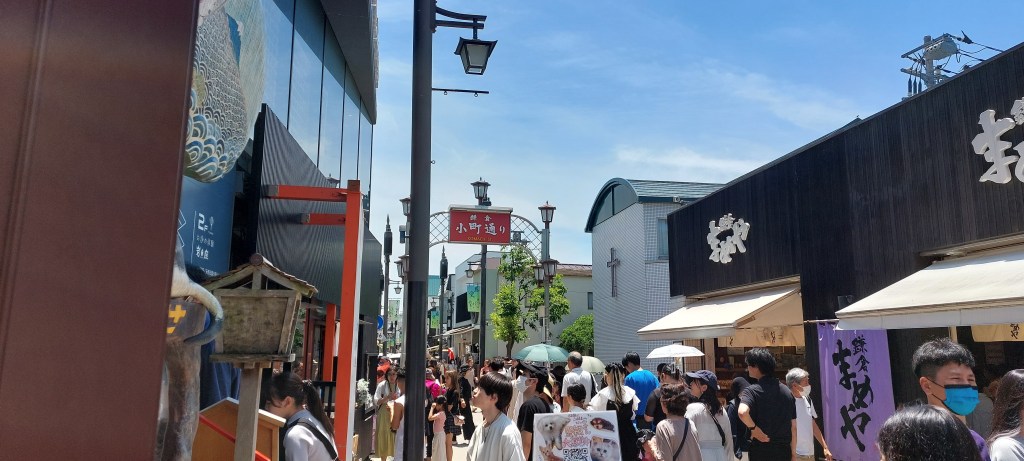
This vibrant, busy street is lined with cafes, restaurants, and shops. It’s a fabulous place to take a mid-day break to get a bite to eat and pick out some souvenirs. Personally, the only thing on my agenda was food. Here’s what I had:

This breaded pork cutlet (JPY250) wasn’t freshly cooked, but it was served piping hot, so I had no complaints. The meat was well-seasoned. The breading was crunchy. The whole thing smelled amazing.
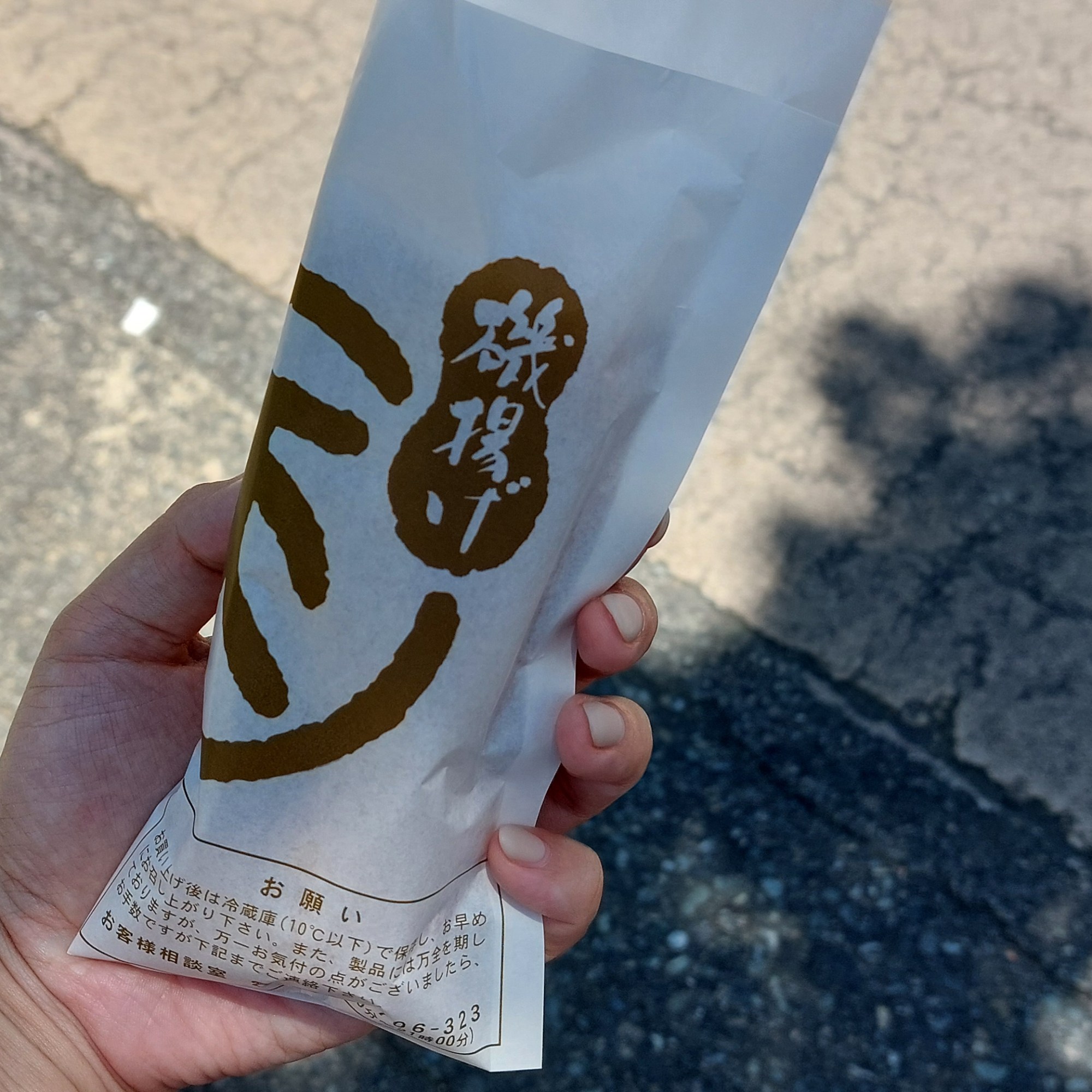

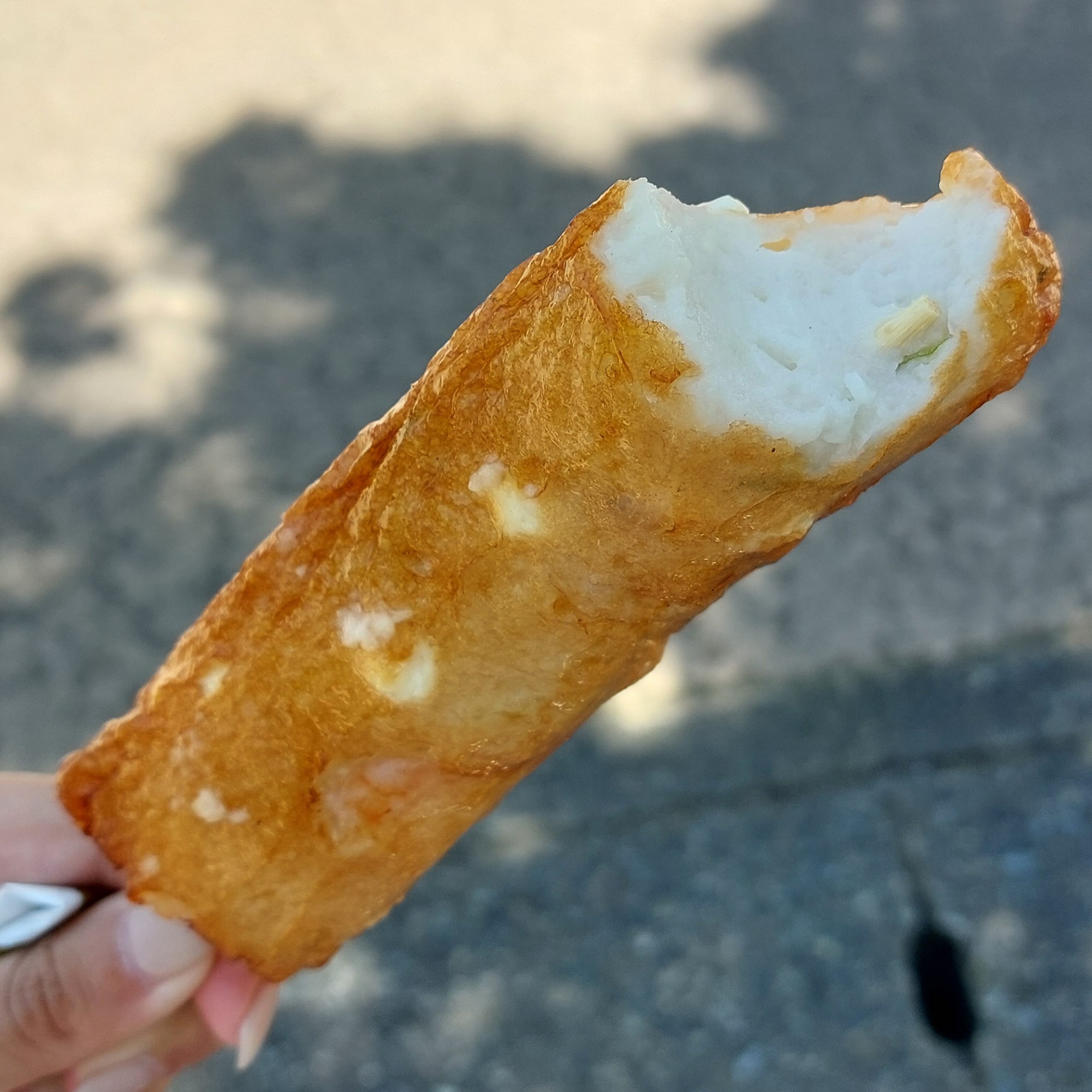
I passed by a stall selling what looked like rolled omelettes on skewers. As it turned out, they were firmer than an omelette, with a couple different options for flavors. This one (JPY400) had green onion, Kewpie mayonnaise, and shrimp. This ended up being my main meal – it was deceptively filling!
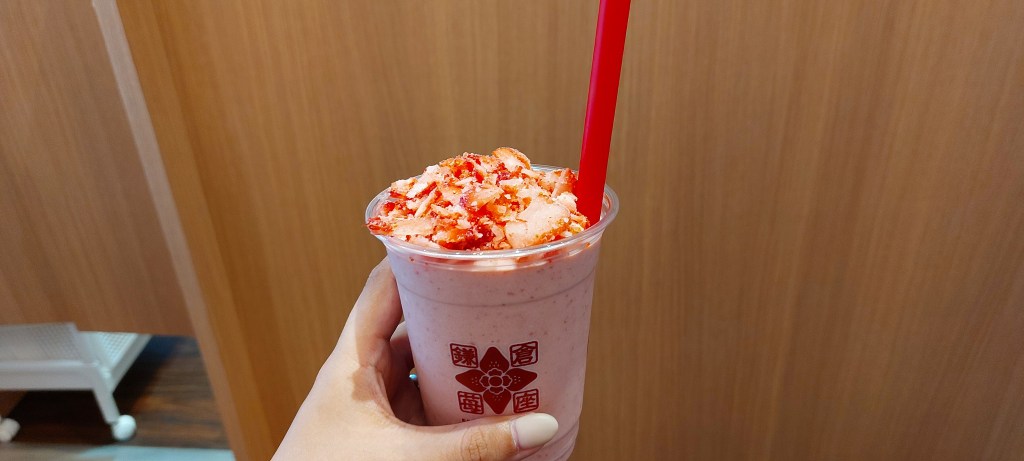
I washed everything down with this strawberry smoothie (JPY 850). You can choose whether you want them to make it with milk or black tea as a base drink. I asked for milk. It was so refreshing in the heat, and the shop had a small sitting area, which was a welcome relief for my tired feet.

Two reminders, in case you need them:
If you’re getting street food and eating on the go, stand to the side of the road. It’s considered rude to eat while walking in Japan. Plus, this way, you’ll be less likely to accidentally walk into someone or spill your food or drink.
Secondly, if you can’t find a trash bin nearby, most of the shop employees will be happy to take your empty wrappers and such. I did this everywhere I bought food. They’ll dispose of the trash for you. Garbage collection laws are extremely strict in Japan, so you’d be avoiding littering and helping them out, too.
Enoshima Sea Candle
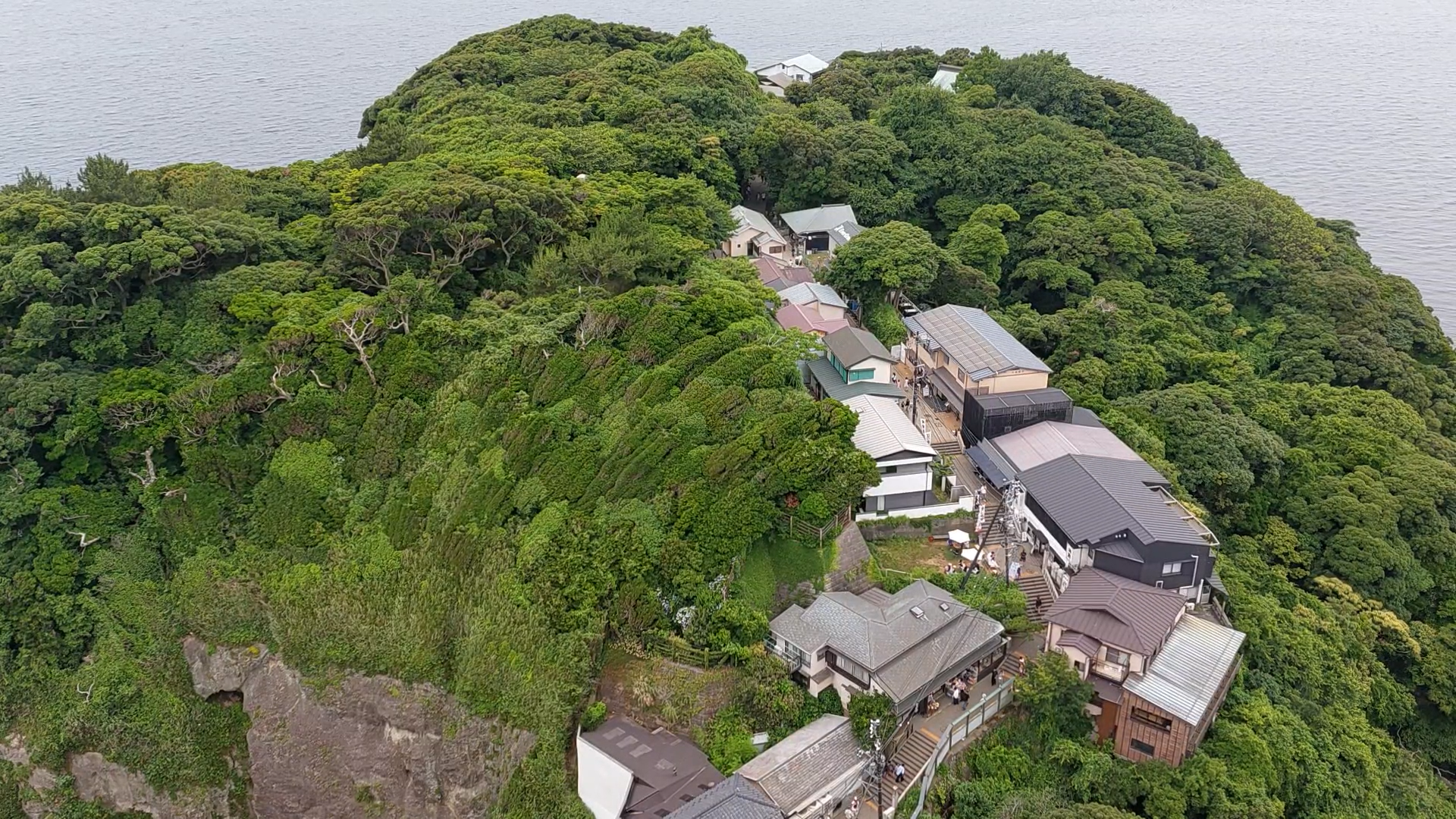
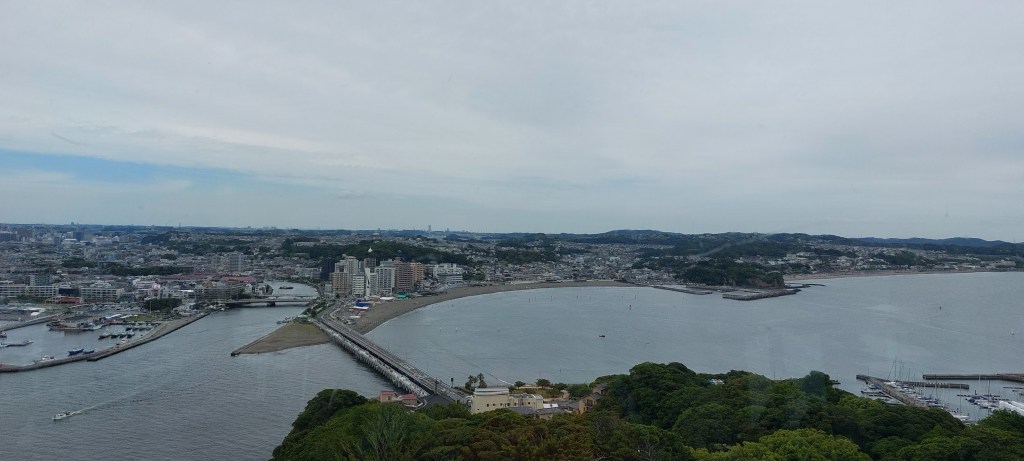
Enoshima Island is connected to Kamakura by a 400-meter bridge. As my bus crossed that bridge, I caught my first glimpse of Mount Fuji. Later on, I got the most spectacular view of the mountain from the top of the Enoshima Sea Candle.
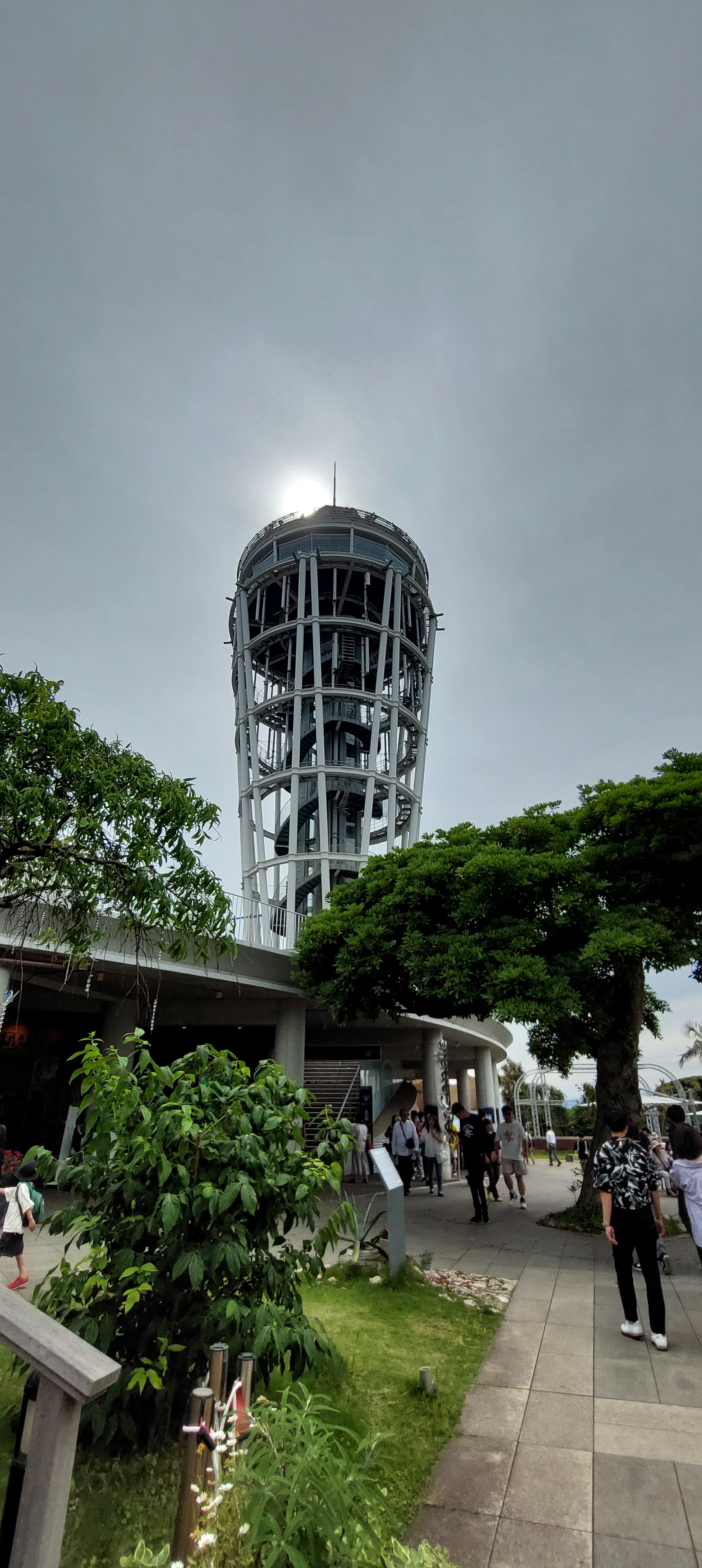
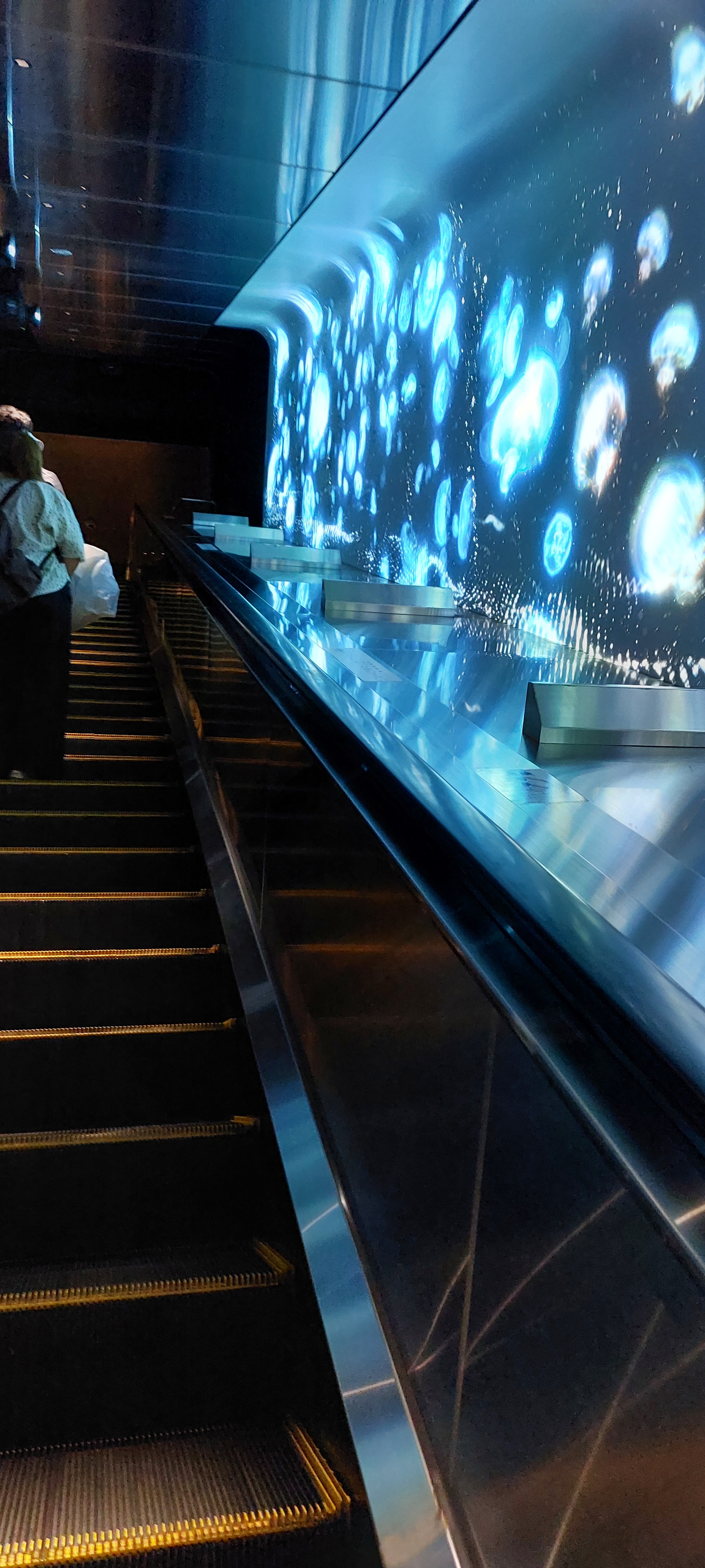
This side trip involves a lot of climbing stairs. If you’ve tired yourself out walking all over Kamakura, you’ll be relieved to find the Enoshima Escar. Japan’s first outdoor escalator is divided into three sections, all of which you can use for only JPY360.
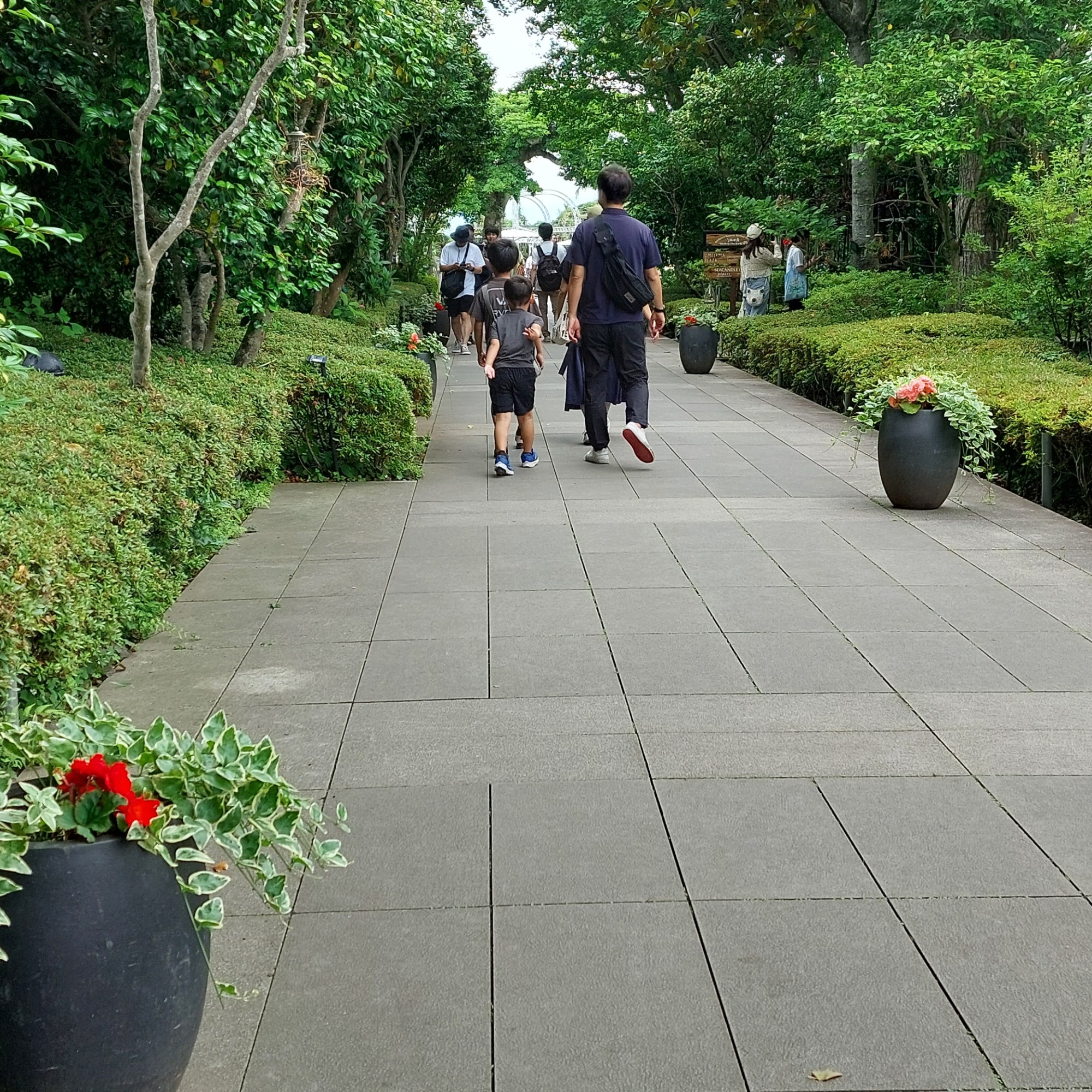
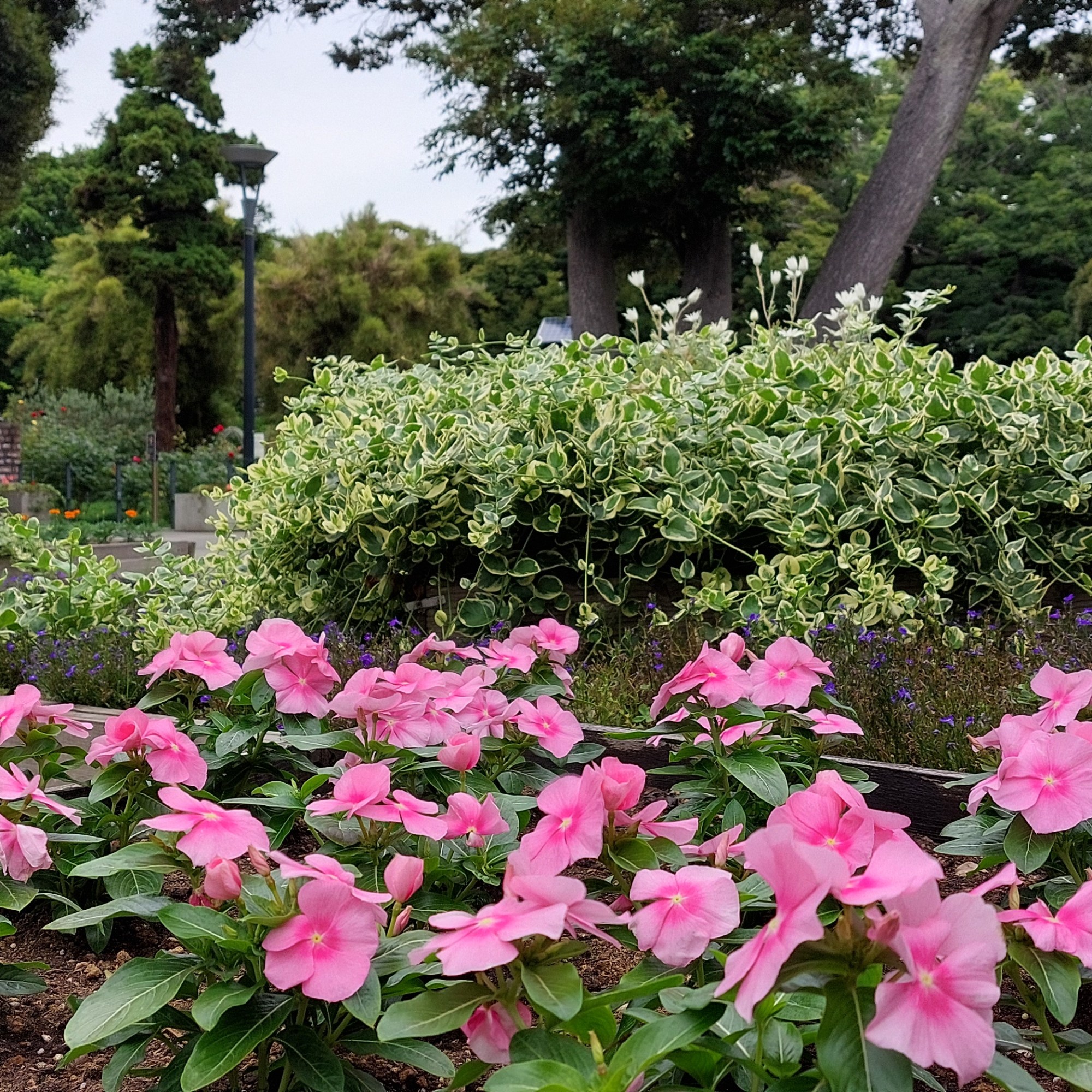
The last section will take you to the Samuel Cocking Garden, home of the Sea Candle. The garden itself is a peaceful, beautiful place to explore before you head on up the tower. You can take the stairs to the top or wait in line for the escalator. Make sure you’re dressed appropriately – the top of the Sea Candle is open-air and can get chilly. And you want to look good when you take your photos with the sea and Fuji-san as your backdrop!

The Enoshima Escar costs JPY360 for adults and JPY180 for children. Entrance into the Samuel Cocking Garden is free. The Sea Candle costs JPY500 for adults and JPY250 for children. At the base of the Escar, you can get a set ticket which includes the escalators, garden, and Sea Candle for JPY700 for adults (save JPY160) and JPY350 for children (save JPY130).
The Escar runs from 8:50am to 7:05pm. The garden and Sea Candle are open from 9:00am to 8:00pm.
Enoshima Iwaya Caves
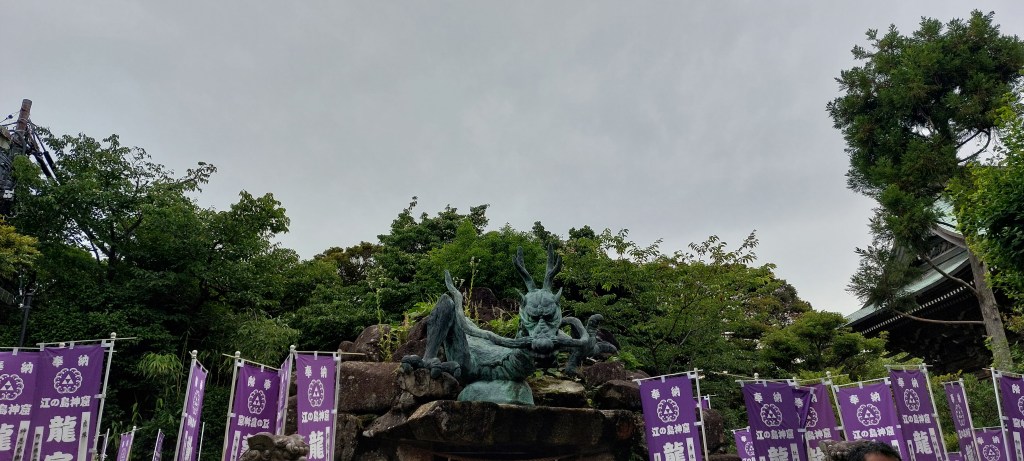
At the very back of the island, there is a set of caves that were once a pilgrimage destination for samurai and monks. After soaking in the view from the highest point of the Enoshima seaside, prepare for a 200-step descent to sea level.
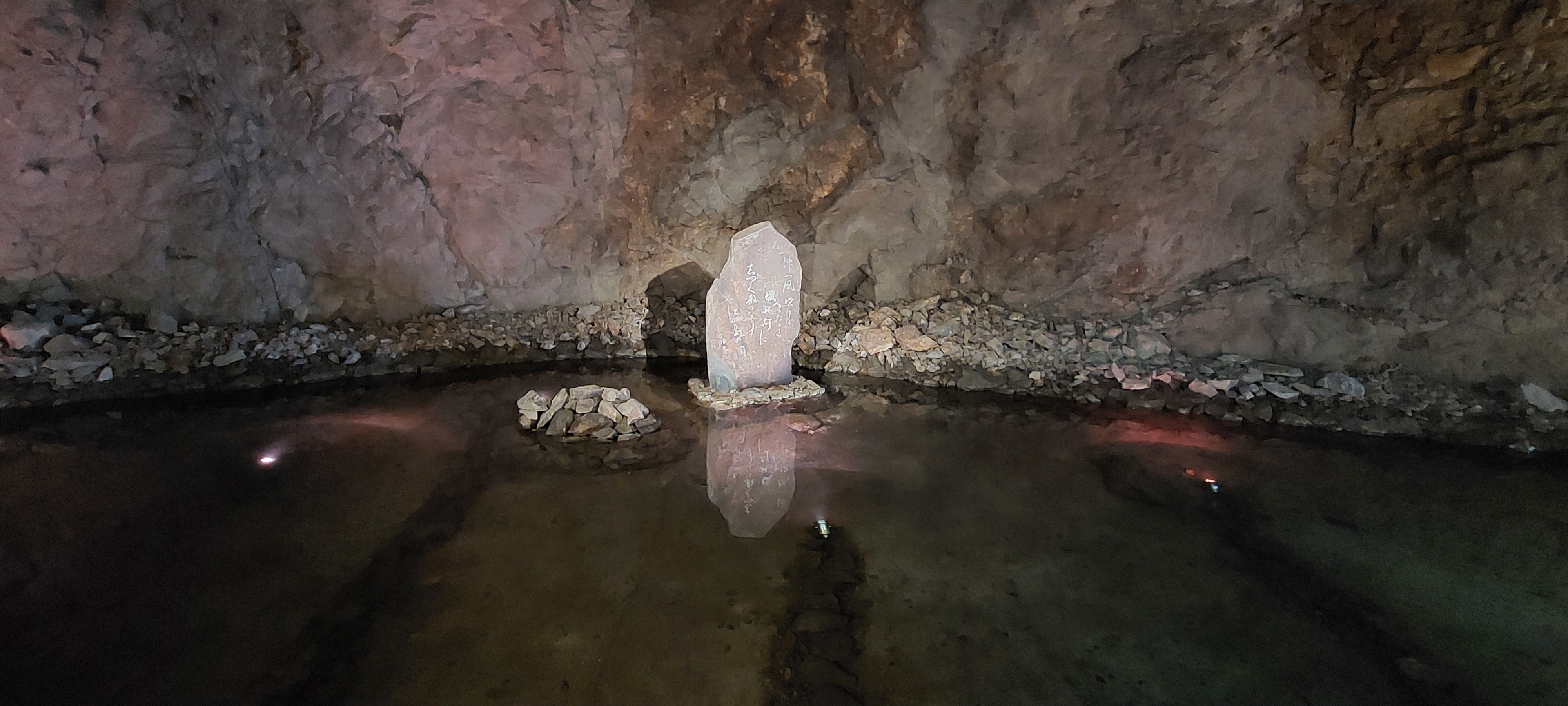
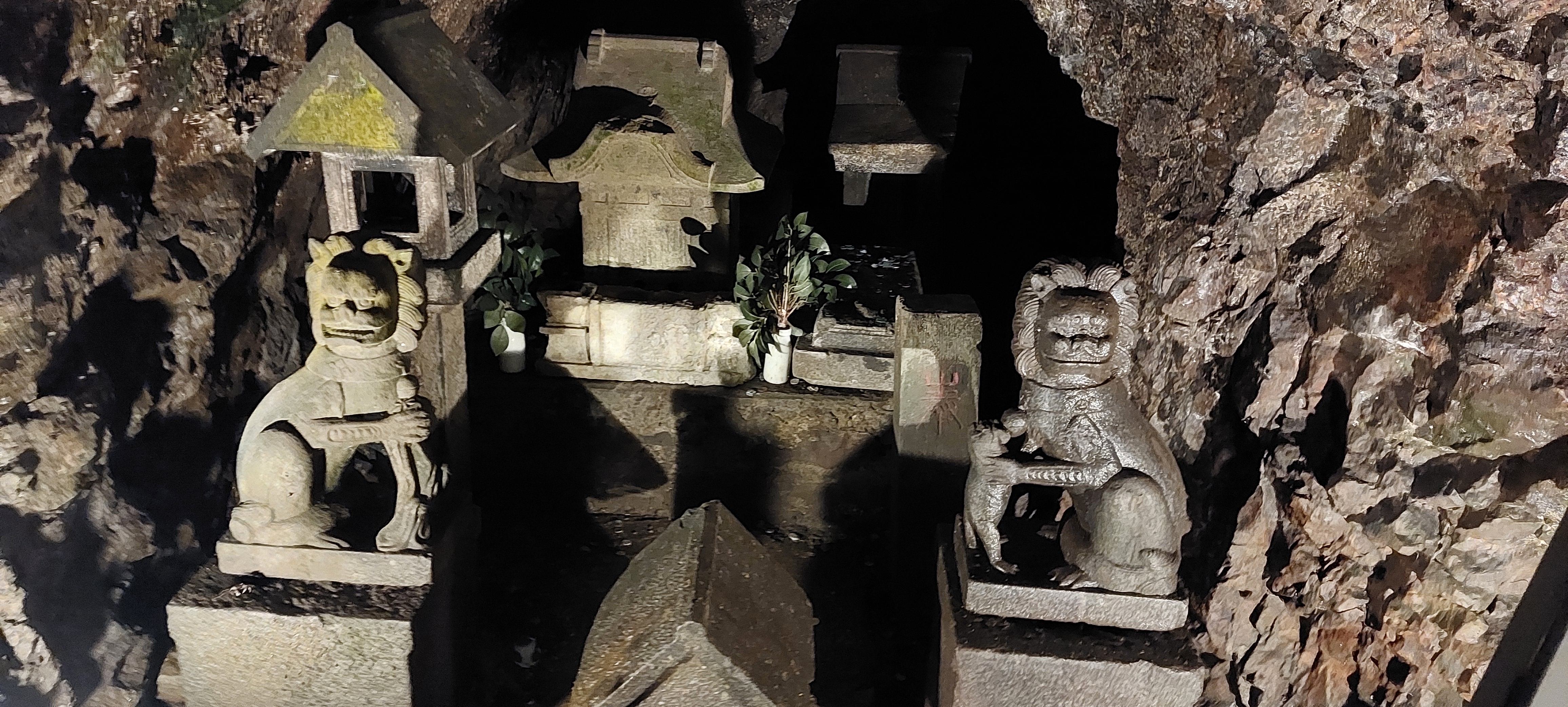
The Iwaya Caves have a long history detailed on the plaques on the walls of the first cave. Over the centuries, the relentless waves cut deep into the side of the island, creating the hollow that today allows for dozens of visitors to stand and walk around fairly comfortably.
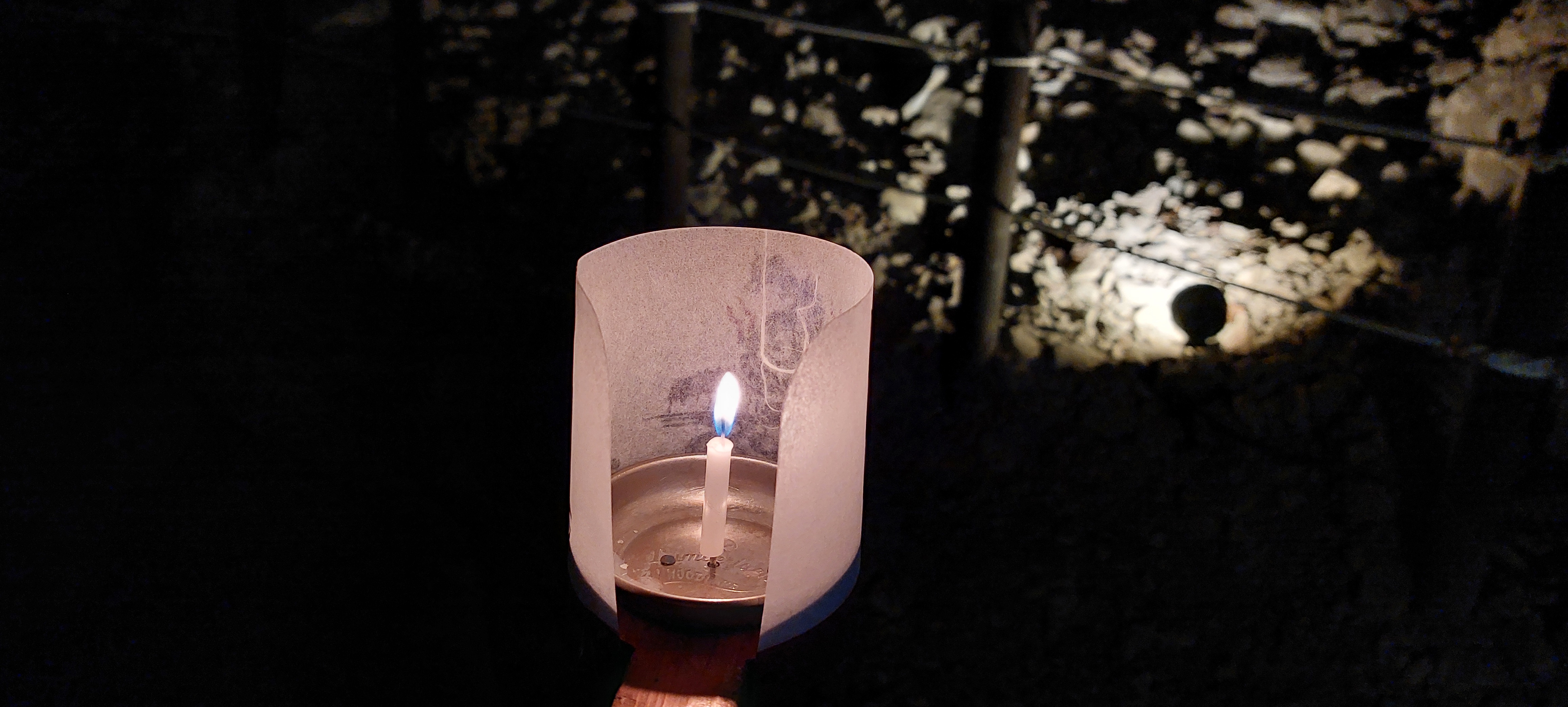
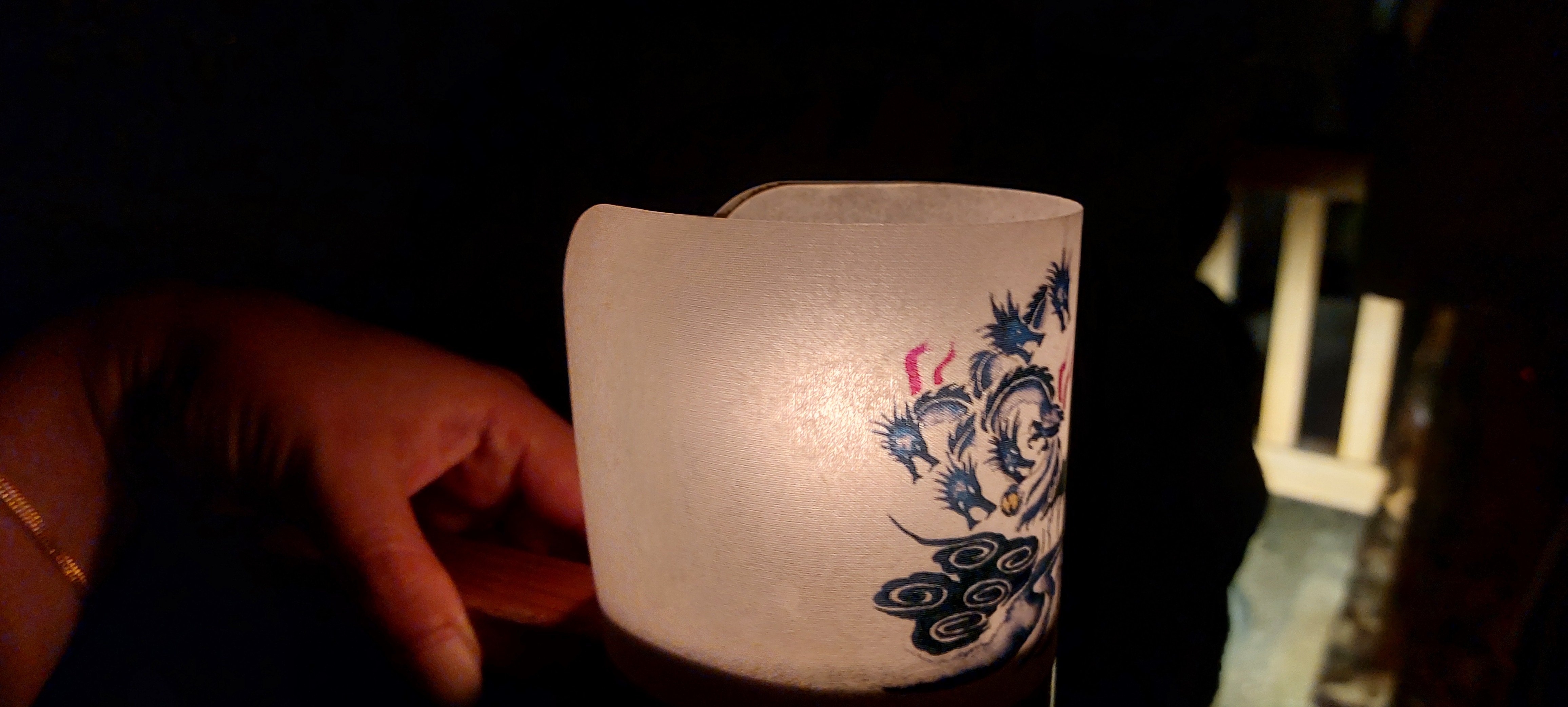
You’ll need to line up before the darkest part of the caves so you can borrow a handheld candle lantern. It’s a small flame, but be careful not to accidentally burn anything. At the turning point of the last cave, you’ll be greeted by a statue of the dragon god. Have your camera ready – he comes alive with light and sound!
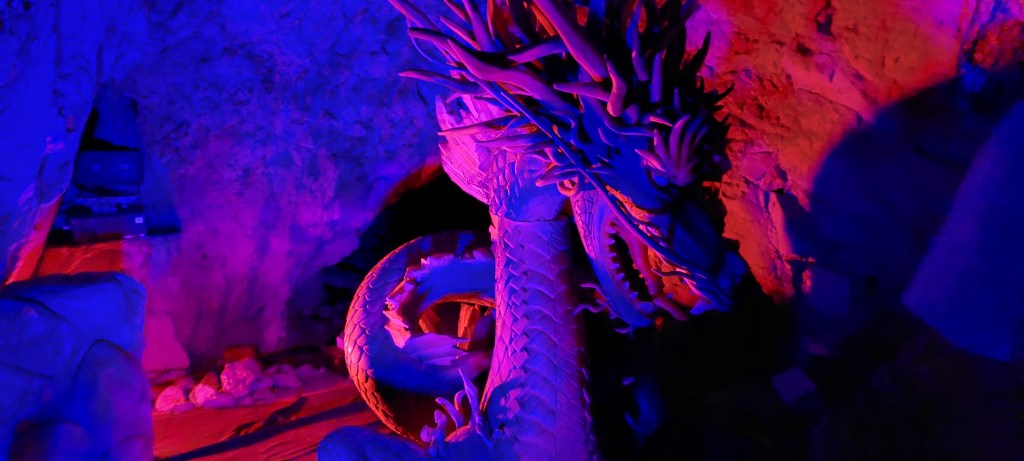
Don’t forget to hand your lantern back to the booth attendant on your way out.
The caves are open from 9:00am to 6:00pm. Entrance is JPY500 for adults and JPY200 for children.


 'Ka ni Kim
Leave a comment