
There’s so much to explore in Japan’s capital city! In between eating, shopping, more eating, and more shopping, here are a few of the places we found ourselves.
The Imperial Palace Gardens
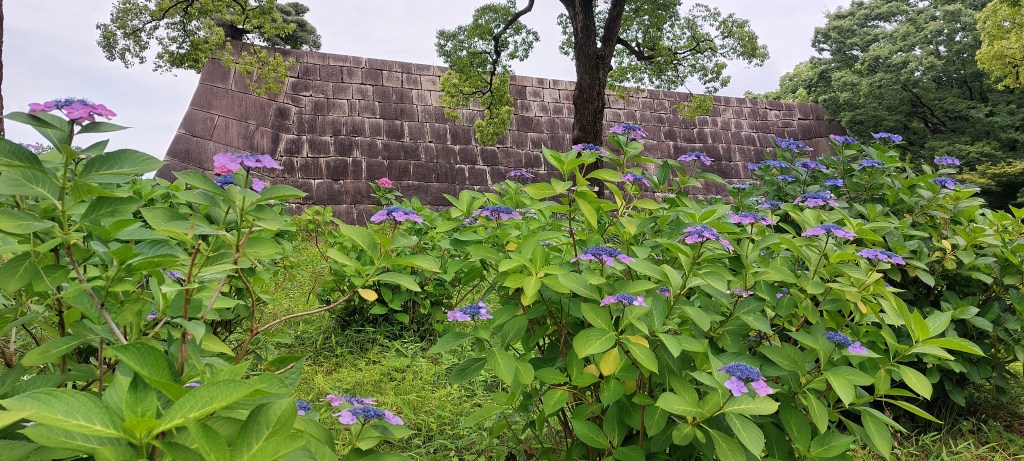
The Imperial Palace Gardens are situated on what was once the grounds of Edo Castle. From 1603 to 1867, the castle housed the Tokugawa shogun, then Emperor Meiji from 1868 to 1888. While there are well-preserved gates, guardhouses, and moats on the compound, the actual castle buildings no longer stand. In their place are sprawling grounds and picturesque gardens.

One of many built around Edo Castle, this guardhouse (Obansho) served as the final checkpoint before entering the main compound. In the late nineteenth century, it was converted into a workshop. It would later be restored to its original design for visitors to enjoy – a small but significant piece of Japanese history.
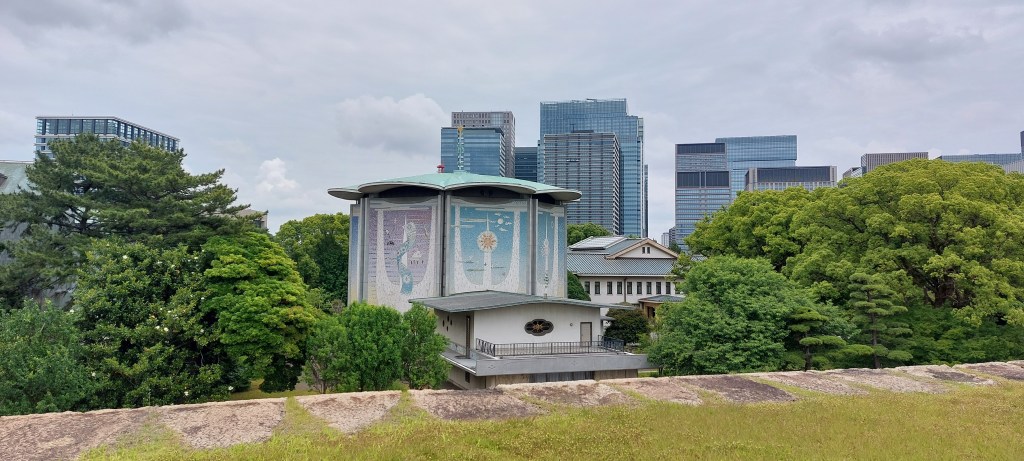
We also spotted the Tokagakudo Concert Hall, whose name translates to “Peach Blossom Hall”, after the peach emblem of the late Empress Kojun. The hall was built in celebration of her 60th birthday in 1966.
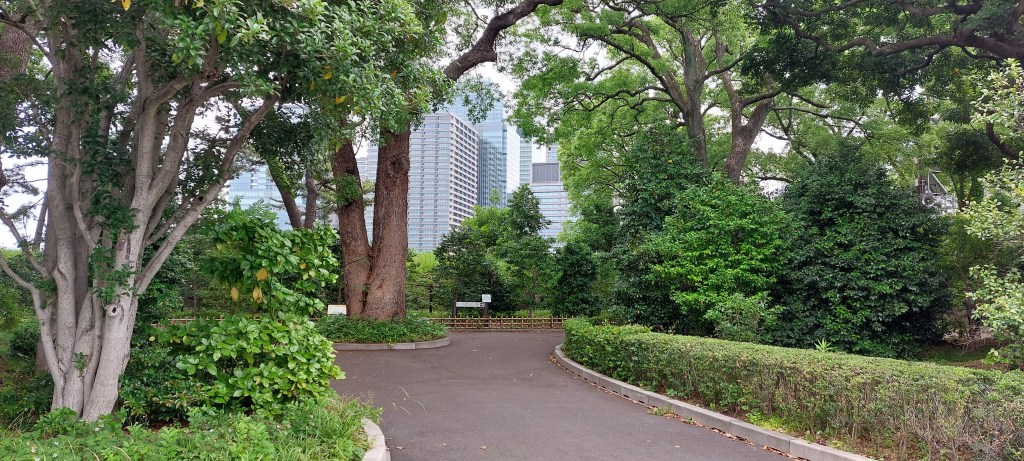

The Imperial Palace East Gardens is located at 1-1 Chiyoda, Chiyoda City. Admission is free. Their hours vary depending on the time of year:
9:00 to 17:00 (March 1 to April 14 and all of September)
9:00 to 18:00 (April 15 through August)
9:00 to 16:30 (October)
9:00 to 16:00 (November through February)
Yoyogi Park
Ever since my first trip to Japan, I’ve always made sure to reserve at least one day for a relaxed meal or snack in a beautiful park. This time around, we opted to chill at Yoyogi Park.
While its history doesn’t date as far back as the Imperial Palace Gardens, Yoyogi Park did serve as the Olympic Village grounds in the 1964 Tokyo Olympics. Prior to that, it was a residential area for US military personnel. Today, it’s a gathering place for special interest groups and hobbyists. On our way out, we saw some rock music fans dancing for a crowd and just having a good time.


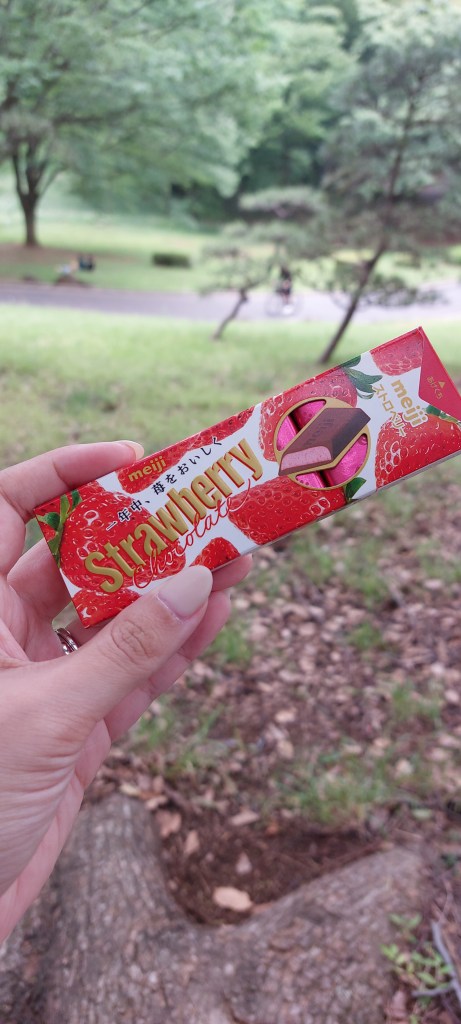

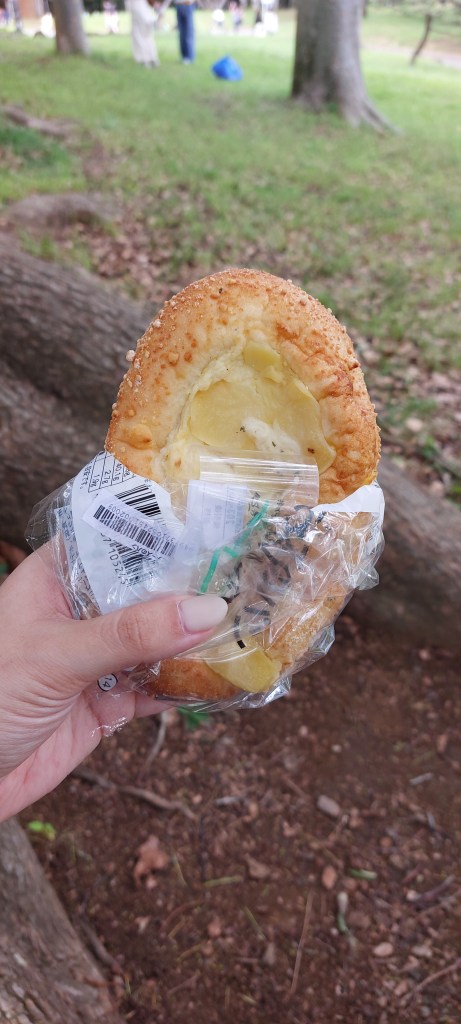
We stocked up on snacks at a Lawson near the Yoyogi-kōen Station on the Chiyoda Line. There are plenty of spaces where you can sit in the shade of the trees. We found a spot and chowed down while watching the people and pigeons go about their days.


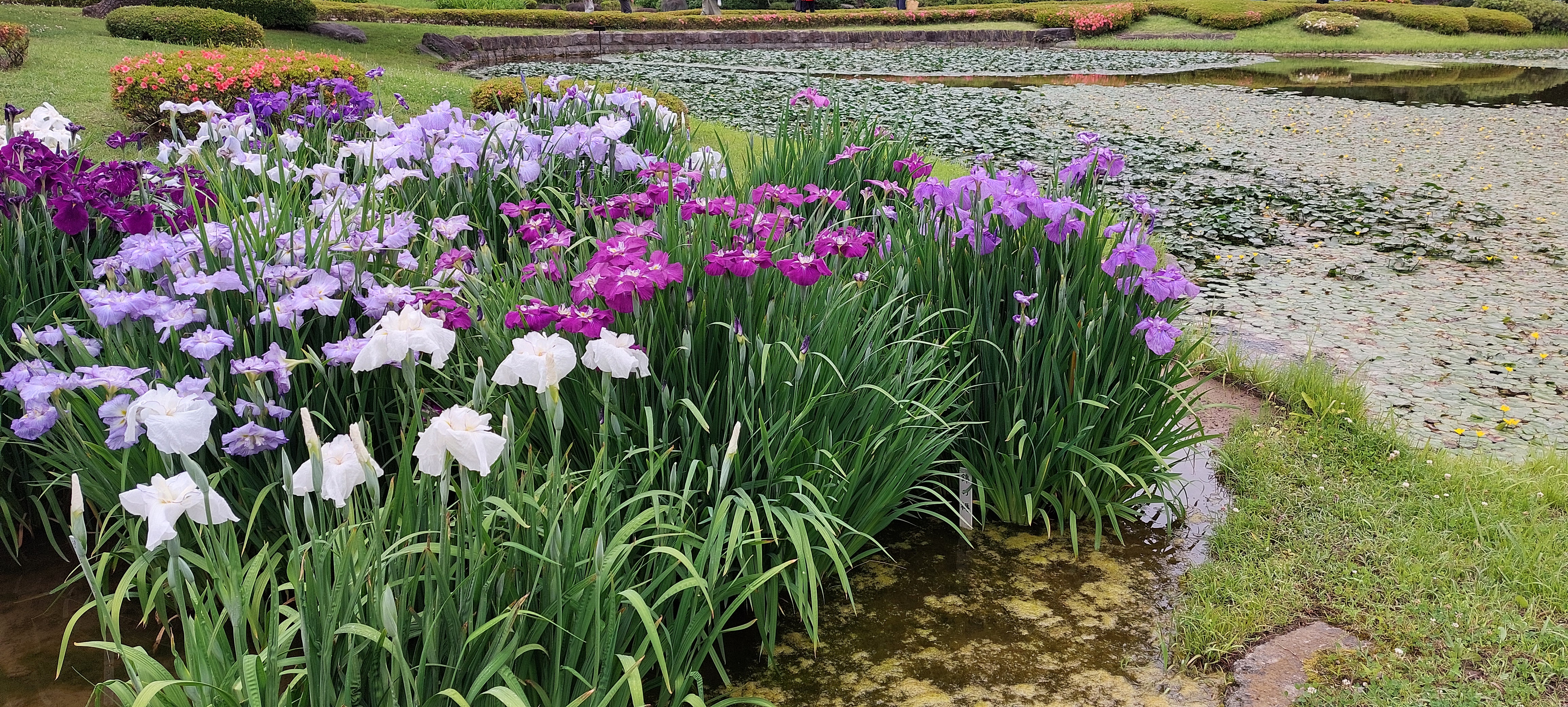
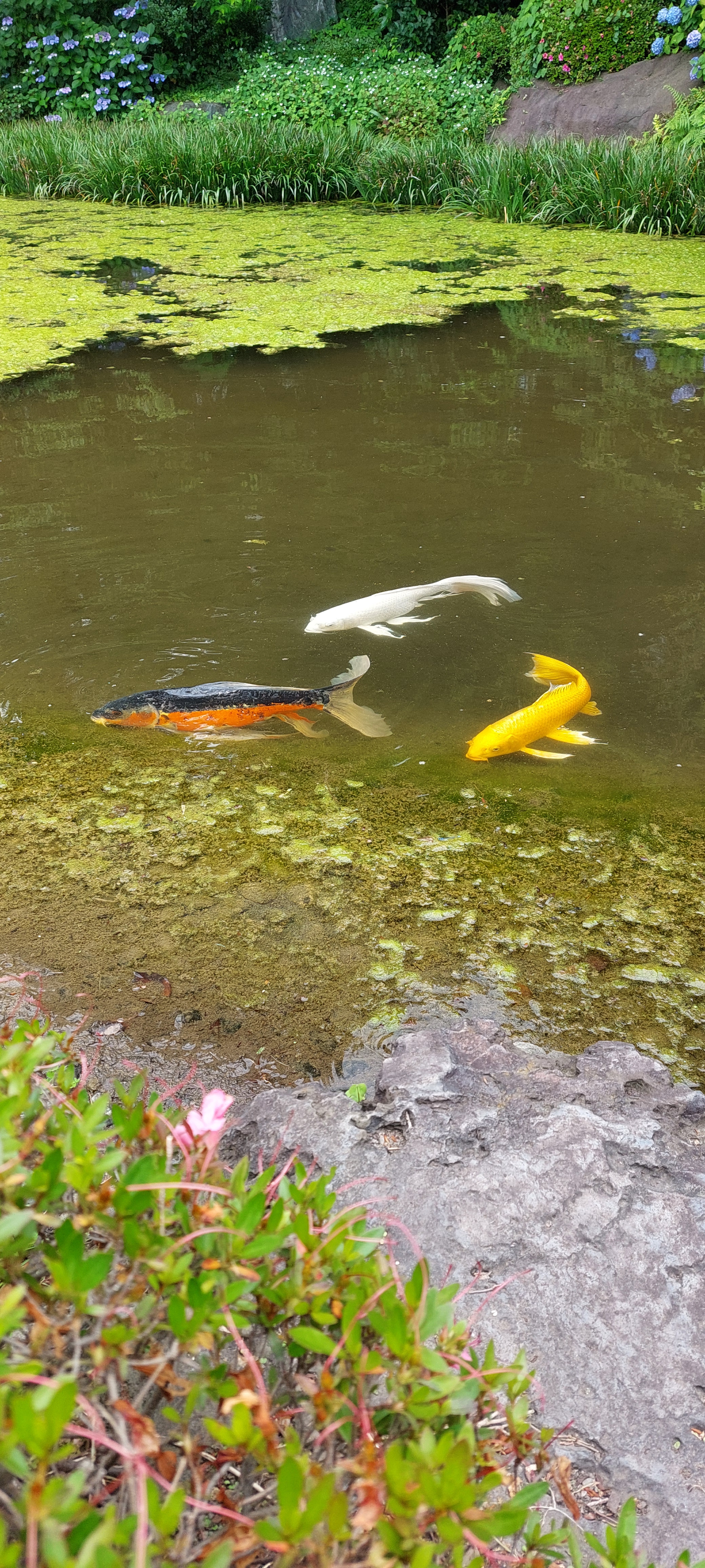
We got in our steps exploring the park. We passed by a tranquil but thriving koi pond, and just nearby a patch of irises in full bloom. Irises are a staple of many Japanese green spaces, perhaps most famously in Itako Park in the Ibaraki Prefecture. About 2-3 hours from Tokyo, this riverside park is host to the Suigo Itako Iris Festival. The main event is called the yomeiri-bune (literally “marriage boat”), where new brides ride a boat down the canal together with their in-laws. This symbolizes their journey to join their new husband’s family. The couple meet at the center of the Iris garden and stroll around the grounds together.
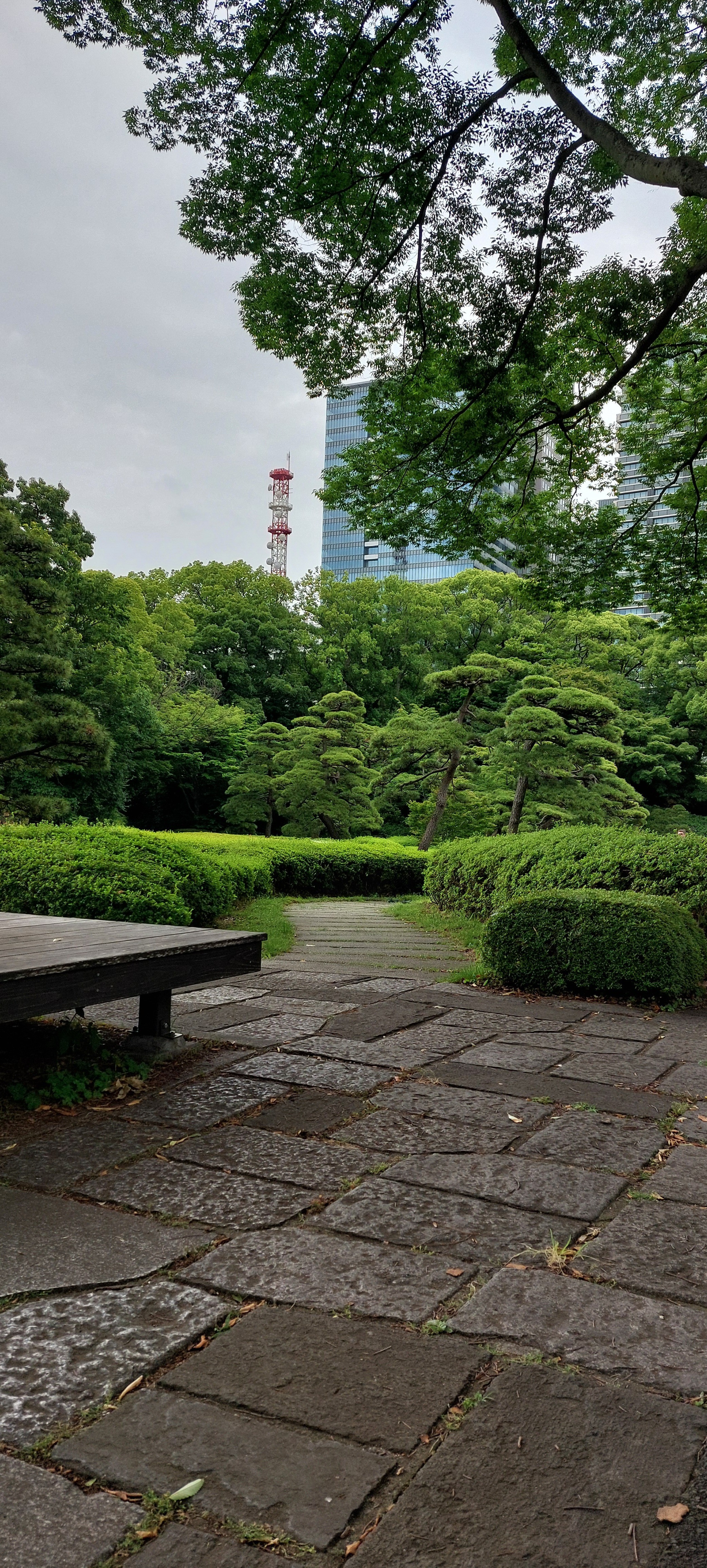
After Yoyogi Park, we walked to the Shibuya area. Even in the middle of a highly urbanized shopping district, there are green spaces like this garden atop the Tokyu Plaza Harajuku. The building, also known as Harakado, is right on the corner of the Jingumae intersection.
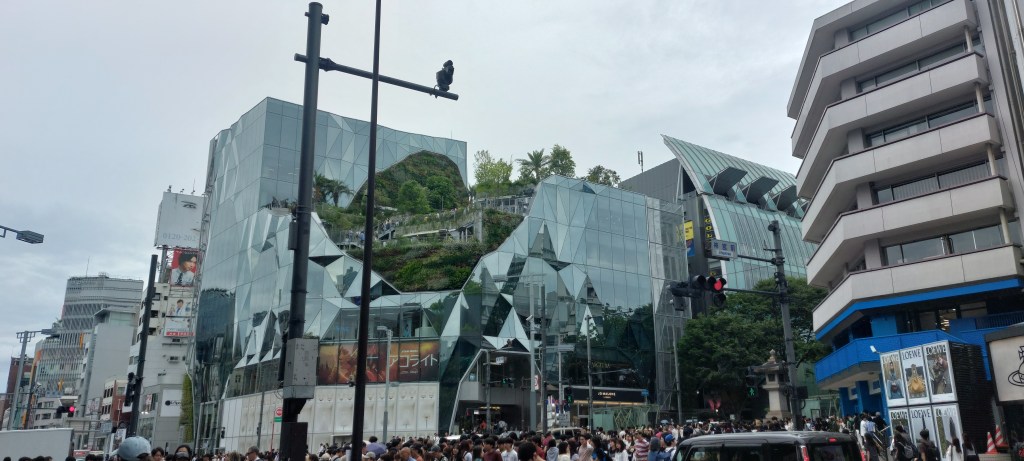
Yoyogi Park is located at 2-1 Yoyogikamizonocho, Shibuya. Admission is free. The park is always open, however, on-site facilities close at 5:00pm.
Tokyo DisneySea
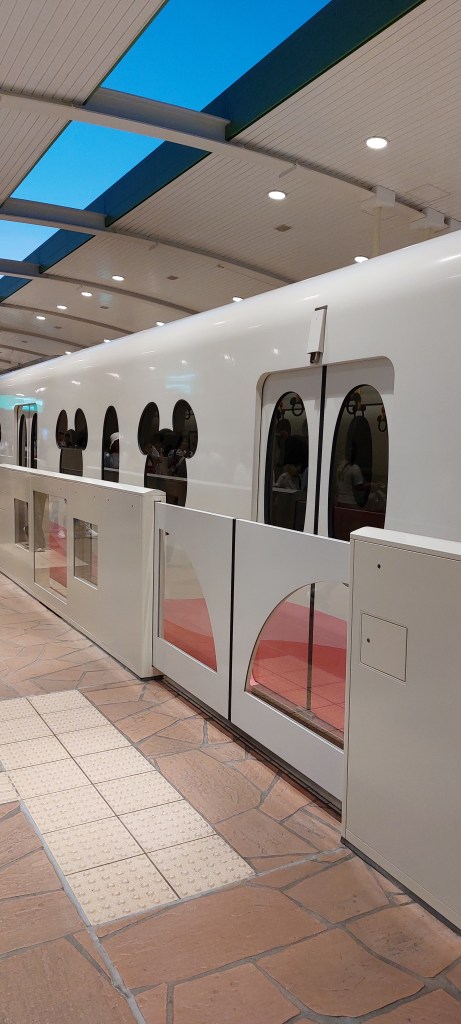
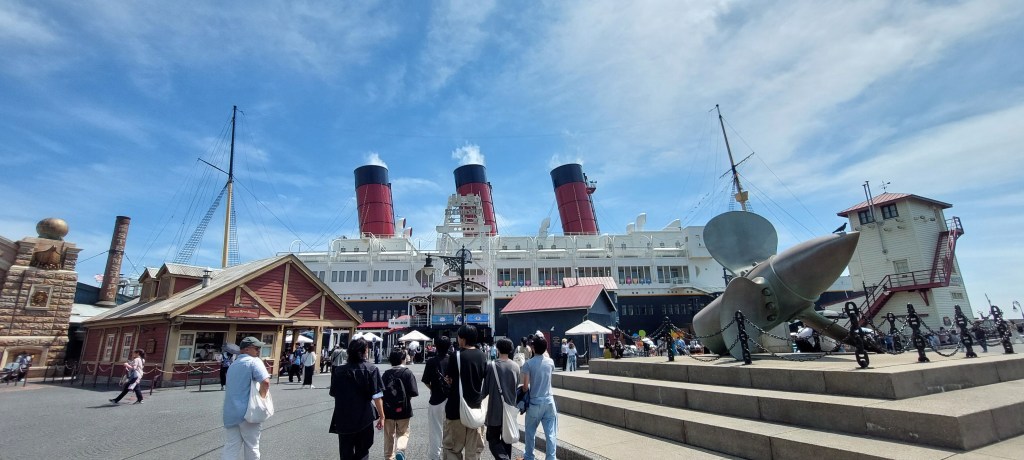
Our second day in Tokyo, we set out for DisneySea. Tokyo DisneySea is unique among the Disney parks – it’s the only DisneySea in the world. Because we wanted to get there early, we used the GO ride-hailing app, available on the Play Store and the App Store. We arrived shortly after the gates opened and were immediately greeted by the volcano, Mount Prometheus. It’s home to two rides, Journey to the Center of the Earth and 20,000 Leagues Under the Sea, the latter of which was our first adventure of the day.
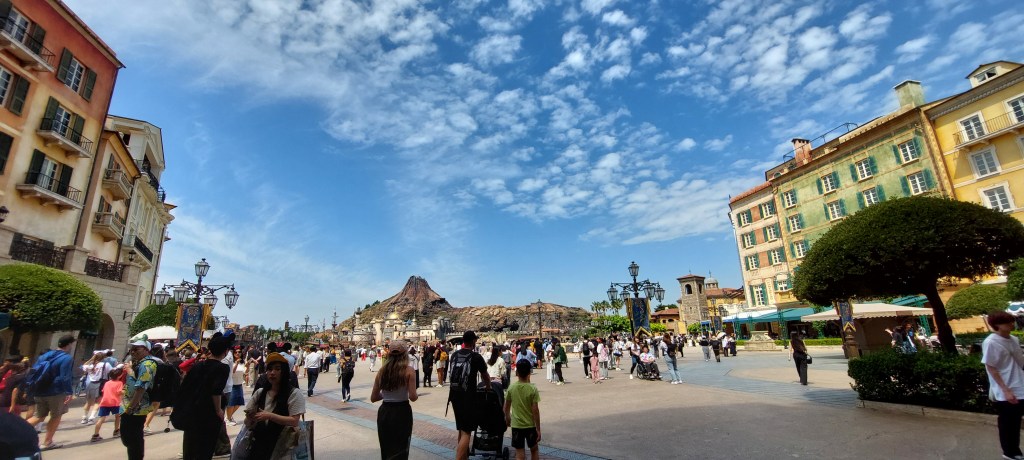
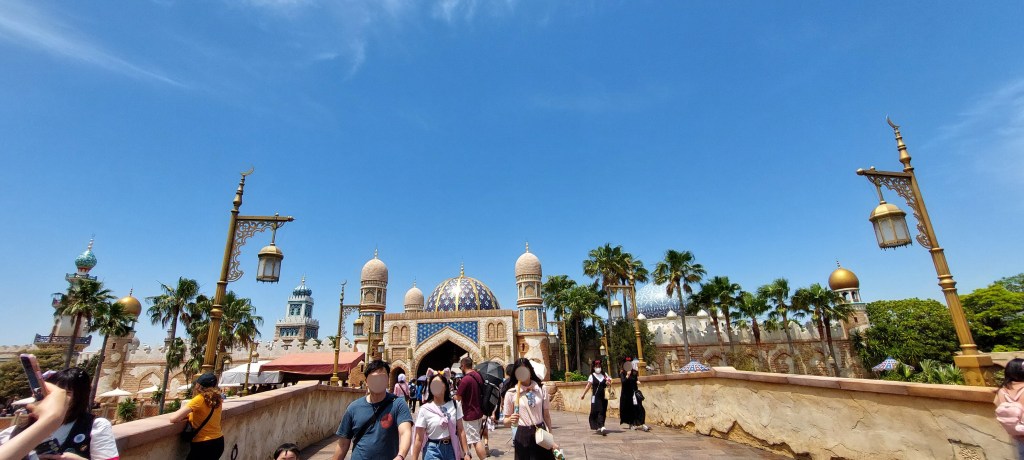
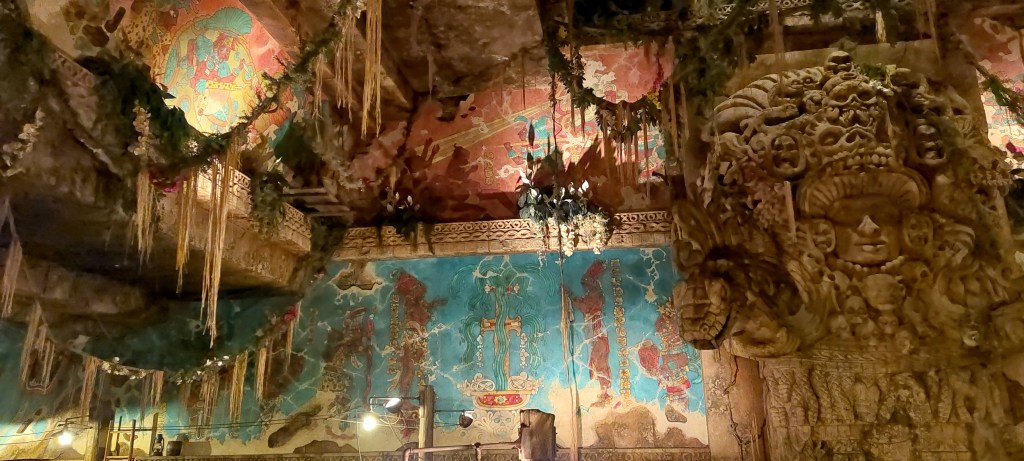
Most of the DisneySea attractions are themed around sea-adjacent (or generally water-adjacent) Disney properties like The Little Mermaid and Tangled. You’ll also find the Agrabah-inspired Arabian Coast and the Indiana Jones Adventure, complete with animatronic Harrison Ford yelling warnings at you in Japanese. We just had to experience that, along with Aquatopia, which was a kind of bump car ride in some shallow water.
One extra-memorable ride was Flounder’s Flying Fish Coaster. We figured it wouldn’t be too intense since most of the park-goers in line had little kids with them. It turns out, a big drop is a big drop, even if you’re taking it in a cute yellow car. We screamed along with the children the whole short ride.
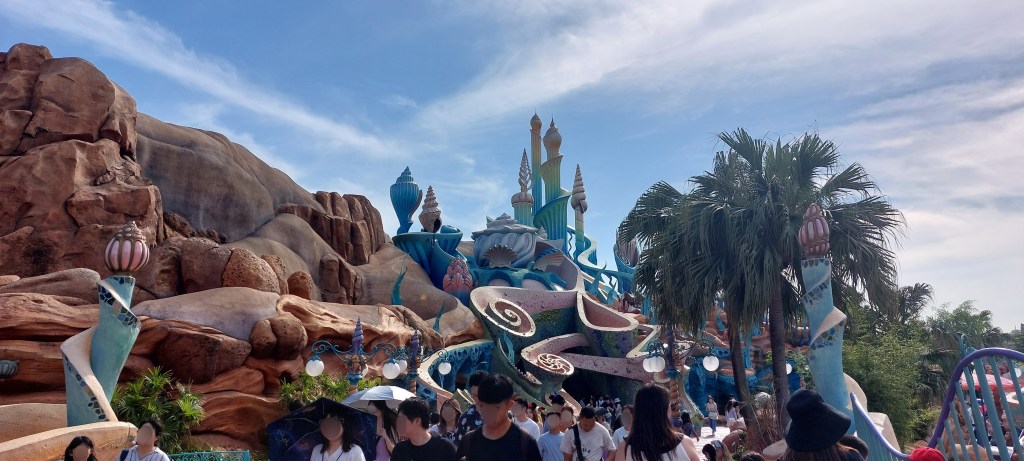
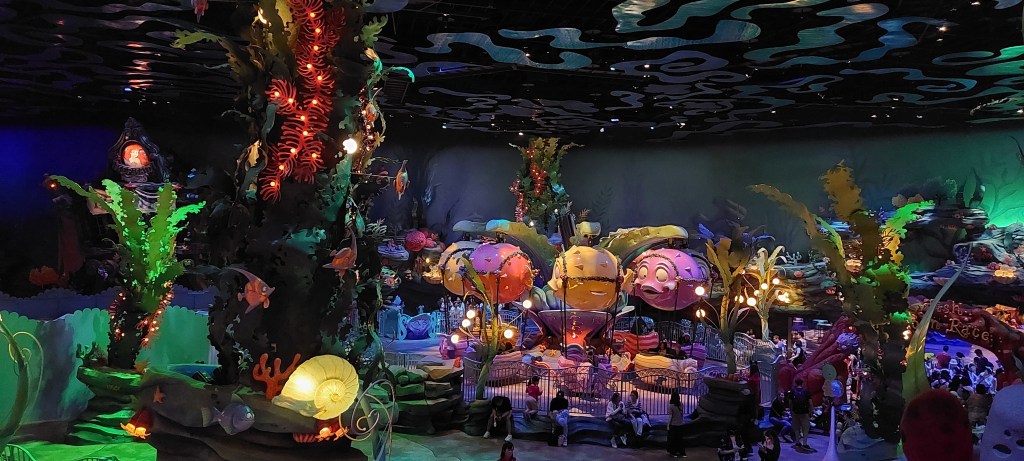
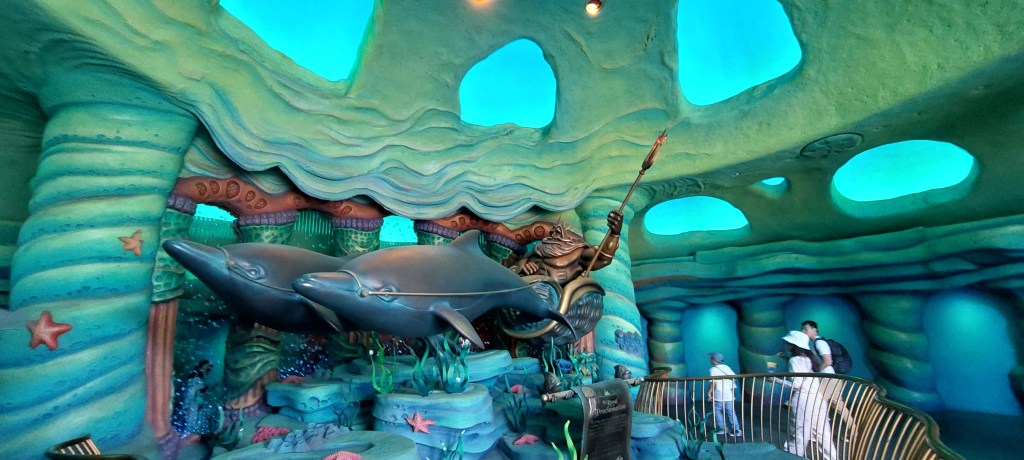
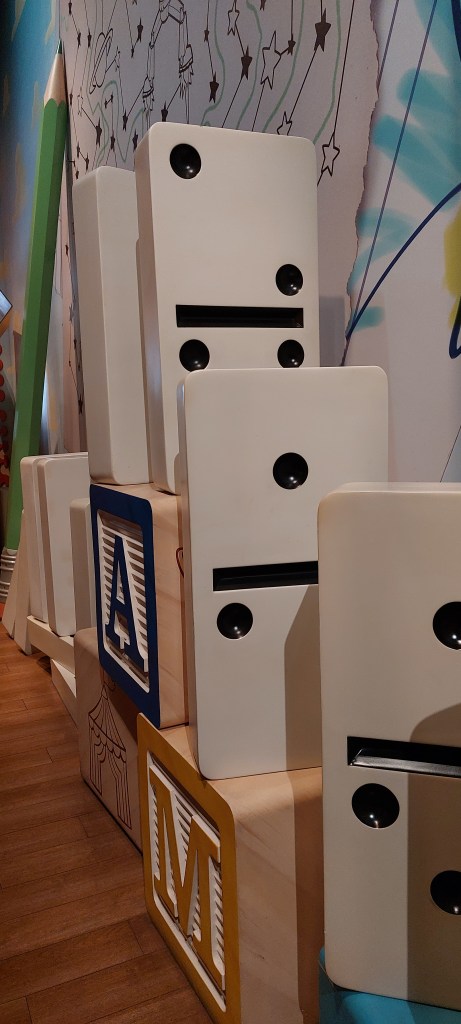
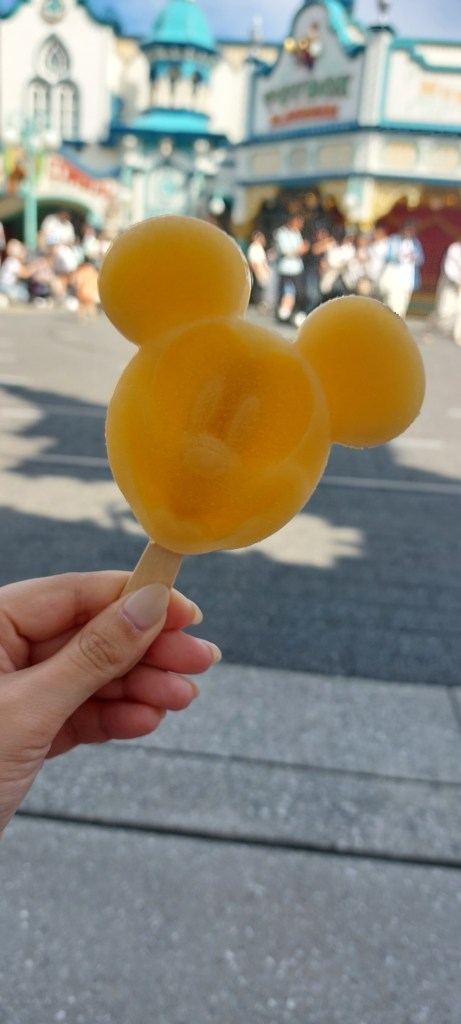
As the heat crept in that afternoon, we looked for an indoor ride and decided on Toy Story Mania. We lined up in a larger-than-life kid’s room – a little glimpse of Woody and friends’ point of view. This interactive experience takes you around in a car to several spots where you aim a toy gun at the characters and earn points for hitting them. At the end of the ride, you can compare your score with everyone else’s. We didn’t break any records, but we had fun and treated ourselves to ice cream afterwards.
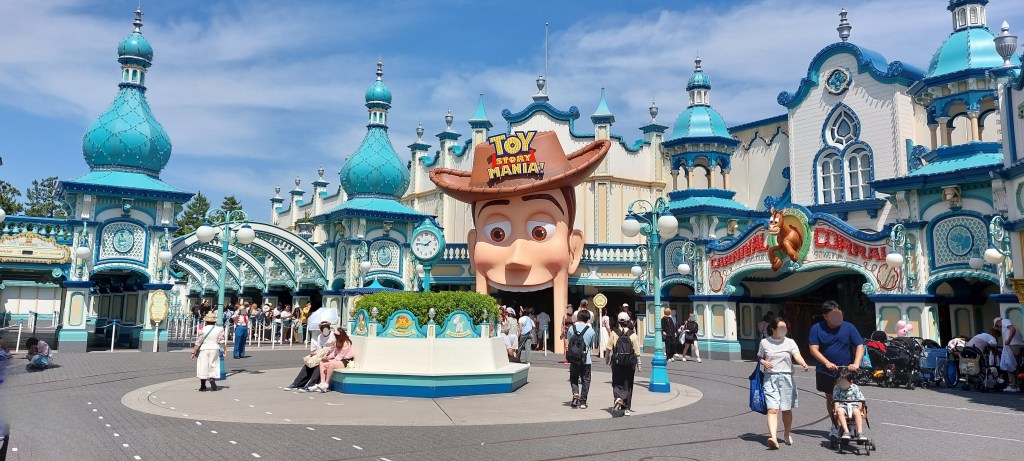

Our one-day DisneySea passports cost Php3,300 per person. We booked with Klook. Please note that prices may change. DisneySea is located at 1-13 Maihama, Urayasu, Chiba. They are open from 9:00am to 9:00pm every day. Check the official website for their holiday schedule and other updates.


Tokyo SkyTree
Day three in Tokyo started with convenience store breakfast (as most days in Japan do) and a train ride to the Tokyo SkyTree.

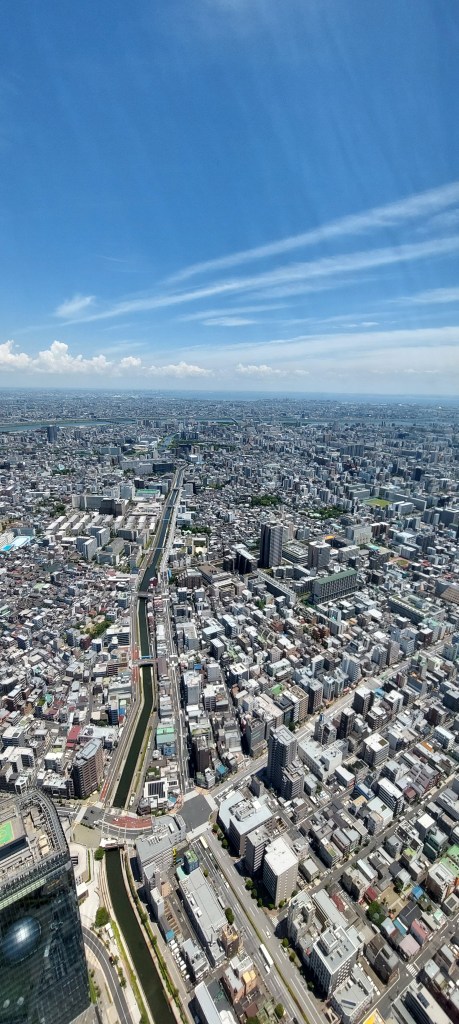
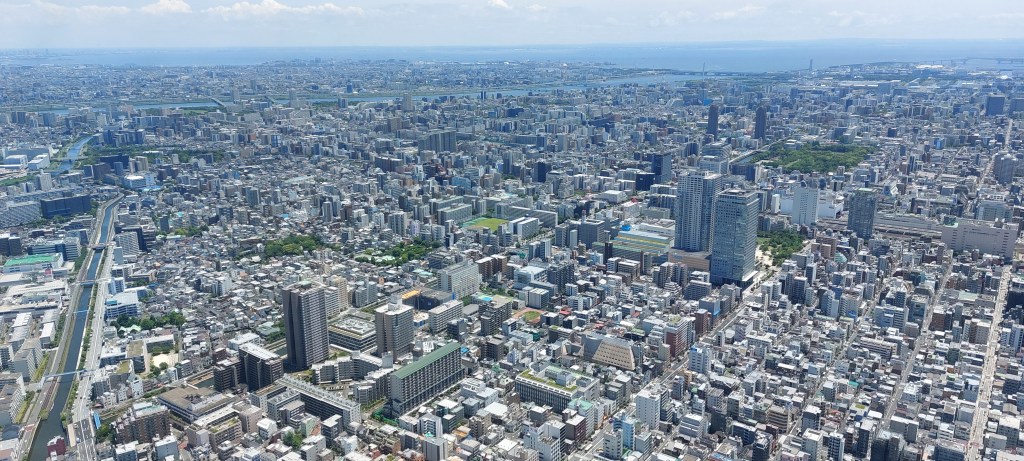
We took a dizzying elevator ride to the top floor of the SkyTree then walked over to Sorakara Point, the highest point in the tower. Here, you’re 451.2 meters above the ground. We took some time soaking in the full 360-degree views.
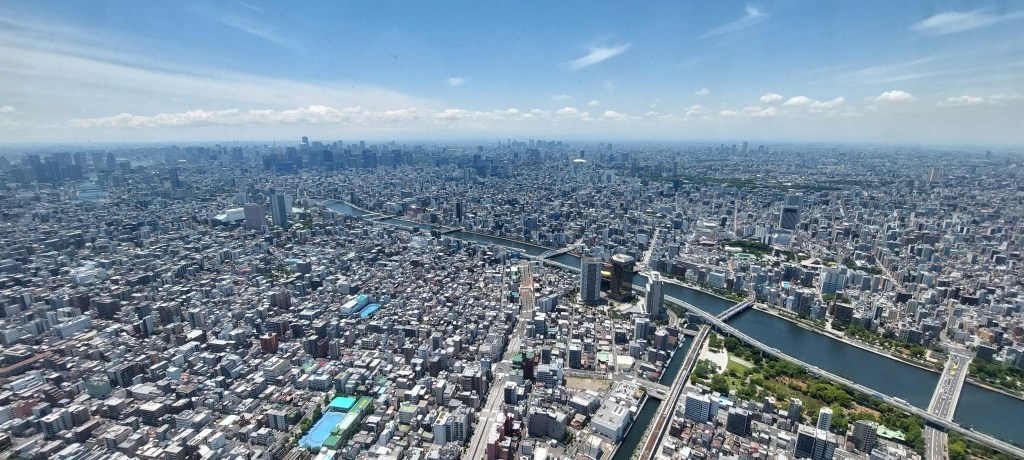
There were some helpful signs pointing out landmarks visible from the top, including the SkyTree’s little brother, the Tokyo Tower, as well as the Sumida River and a handful of its bridges. On a clear day, you can also see Mount Fuji in the distance.


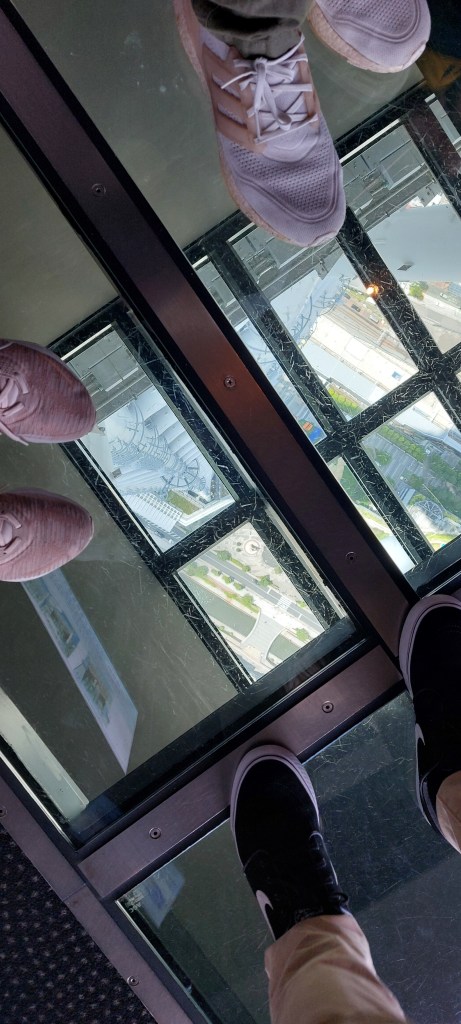
After going around a few times, we made our way to floor 340 to check out the glass floor. The glass is 12 millimeters thick and supported by steel bars, but it’s still a bit scary to stand on it and peer down. But that didn’t stop people (not us) from getting their photo taken sitting or even laying down on the glass.

Our Tokyo SkyTree tickets cost Php1,158 per person. We booked with Klook. Please note that prices may change. Tokyo SkyTree is located at 1 Chome-1-2 Oshiage, Sumida City. They are open from 10:00am to 10:00pm every day. Check the official website for their holiday schedule and other updates.
Gigo Arcade
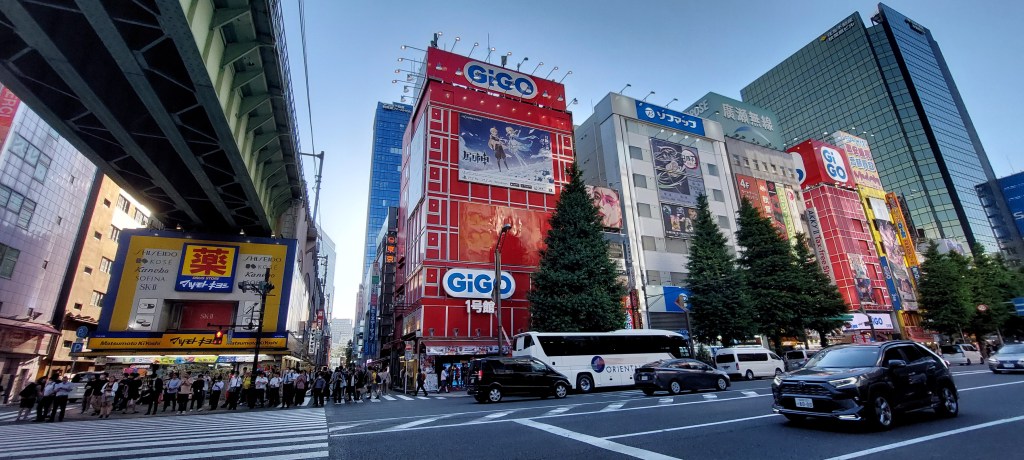
No nerd should visit Tokyo without stopping at least once in Akihabara. Often lauded as one of the best arcades in Japan, Gigo offers a huge variety of entertainment from claw machines to racing simulators to rhythm games. We played a few rounds of Taiko no Tatsujin. You might know it from the console version that comes with a mini drum. We were thrilled to see that the arcade version uses a huge drum, similar in size to the actual taiko drums played in cultural performances.
One important thing to remember is not to take photos or videos where other players might be captured or recorded in the arcade. This is a good general rule to follow in Japan, regardless of what establishment or city you’re in. Most street photography and photography in public places is okay, but taking a photo or video of someone without their permission can be considered an infringement of their personal rights and property rights. Take your photos, but use good judgment and don’t be imposing. Or better yet, just hang out and enjoy the games.

Gigo Akihabara is located at 1-10-9 Sotokanda, Chiyoda-ku. They are open from 10:00am to 11:30pm. For more updates, check out their official website.
Need more Japan guides? Check out my Japan master list for links to all the cultural and culinary fun.

 'Ka ni Kim
Leave a reply to Japan Master List – 'Ka ni Kim Cancel reply